
Key Takeaways
- Plan the route, passenger list, return time, and fuel needs before every trip.
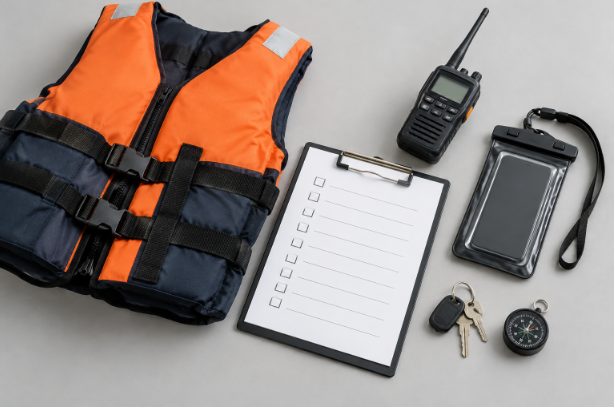
- Carry a properly sized, serviceable life jacket for every person onboard.
- Check weather conditions shortly before departure and remain ready to change plans.
- Inspect essential systems, including the battery, bilge pump, steering, lights, and drain plug.
- Give passengers a quick safety briefing before the boat gets underway.
- Store emergency equipment where it can be reached without delay.
Missouri boaters have no shortage of places to explore, from busy summer coves at the Lake of the Ozarks to quieter fishing mornings on Truman Lake, Table Rock Lake, and the state’s rivers. Whether the plan is tubing, angling, cruising, or simply watching the sunset, a dependable routine before departure makes the day safer and less stressful. Local boat dealers in Missouri can be part of that preparation by helping owners understand their vessels' capabilities, equipment, and maintenance needs.
Water conditions can change quickly in the Show-Me State. Boat traffic, wakes, changing lake levels, floating debris after rain, summer thunderstorms, and cool-water spring outings all call for good judgment. A short checklist gives operators and passengers a clear starting point before leaving the dock or backing down the ramp.
This checklist is useful for a quick evening trip as well as a full weekend on one of Missouri’s larger lakes. It is not a substitute for following applicable federal, state, park, marina, or waterway rules.
Preparation also helps prevent the common ramp-side scramble for missing equipment, a dead battery, or an unsecured cooler. Build the routine around the boat you operate, the water you expect to use, and the experience level of everyone onboard.
For families considering a first vessel or owners comparing updated features, browsingnew boats for sale near me can also help clarify which layouts, storage options, and safety systems best fit how they plan to enjoy Missouri waters.
Table of Contents
- Why Planning Matters Before Every Trip
- The 10-Minute Pre-Launch Check
- Safety Gear Every Boat Should Carry
- How To Choose and Use Life Jackets
- Weather and Water Conditions in Missouri
- What To Tell Passengers Before Leaving
- Building a Simple Emergency Plan
- After-Trip Checks and Common Mistakes
1. Why Planning Matters Before Every Trip
Planning is the simplest way to avoid rushed decisions on the water. Confirm where you are launching, where you intend to travel, how long you expect to be out, and who is coming along. Consider fuel use, daylight, marina hours, no-wake areas, and the possibility that a crowded lake may require a slower, more defensive approach.
Share a basic float plan with a trusted person ashore. It can include the boat description, launch location, intended route, passenger names, and expected return time. That information is useful if a delayed return becomes a concern.
2. The 10-Minute Pre-Launch Check
Regular inspections can catch small problems while they are still easy to address. Before launch, look over the hull, fuel area, battery connections, steering, throttle, propeller area, and trailer equipment. Check for leaks, damage, loose fittings, unusual odors, or warning indicators.
Quick items to confirm
- The drain plug is installed before the boat enters the water.
- Fuel is sufficient for the planned route, plus a practical margin for delays.
- The horn, navigation lights, bilge pump, and communication devices work.
- Coolers, tackle boxes, anchors, and other gear are secured.
- Trailer tires, hitch connection, safety chains, straps, and lights are in usable condition.
3. Safety Gear Every Boat Should Carry
Required equipment varies with vessel type, length, location, and operating conditions, so boaters should verify the rules that apply to their trip. At a minimum, keep wearable flotation devices accessible to all passengers and ensure that other required gear is on board and ready to use.
Useful equipment may include a sound-producing device, a fire extinguisher when required, navigation lights, first-aid supplies, an anchor with suitable line, a throwable flotation device where required, and a charged phone in a waterproof case. Avoid burying emergency gear under luggage or locking it in a compartment that passengers cannot open quickly.
4. How To Choose and Use Life Jackets
A life jacket is only useful when it fits the wearer and is in serviceable condition. Check labels, buckles, straps, fabric, and flotation material before the season and before trips involving guests. The Coast Guard explains thatlife jackets should be readily accessible and appropriately sized for each person onboard, rather than stored beneath other gear.
Children, weak swimmers, and anyone participating in active watersports should wear a properly fitted life jacket. Operators should set the example, particularly in rough conditions, at night, while alone, or when operating a small boat, where an unexpected fall overboard could quickly become serious.
5. Weather and Water Conditions in Missouri
A calm launch does not guarantee a calm return. On Missouri lakes, afternoon storms can bring wind, lightning, rain, and reduced visibility, while boat wakes and changing traffic patterns can alter the ride in a matter of minutes. Rivers may also carry stronger current or debris after rainfall.
Check the forecast before departure, monitor conditions while underway, and turn back early when conditions begin to deteriorate. The National Weather Service advises boaters to prepare for thunderstorms, fog, andrapid wind shifts, all of which can make navigation more difficult. A weather app is helpful, but it should support, not replace, alert observation and sound judgment.
6. What To Tell Passengers Before Leaving
A two-minute briefing can make a major difference. Show passengers where life jackets, the fire extinguisher, first-aid kit, signaling equipment, and phone are located. Explain that they should remain seated while the boat is on plane or crossing wakes, keep hands and feet inside the boat, and ask before moving around.
Review rules for swimming, boarding, fueling, and towing activities. At least one capable passenger should know how to reduce speed, stop the boat, and steer if the operator becomes unable to do so.
7. Building a Simple Emergency Plan
Keep the plan practical. Carry a charged phone in a waterproof case, know the boat’s registration information, and make sure passengers understand the plan if someone falls overboard, the engine fails, or weather worsens. If it is safer to remain with the vessel, stay with it rather than entering the water unnecessarily.
8. After-Trip Checks and Common Mistakes
After returning to the ramp or dock, remove trash and wet gear, inspect the propeller and hull, and note any unusual sounds, vibrations, steering changes, warning lights, or starting issues. Dry life jackets and safety equipment before storing them so they are easy to find next time.
Common mistakes include skipping the weather check, overloading the boat, wearing poorly fitted life jackets, ignoring minor mechanical concerns, and assuming a familiar Missouri lake or river is always predictable. A safer boating day does not require an elaborate process. It starts with a few careful minutes before departure and the willingness to adjust the plan when conditions call for it.
Conclusion
Safe boating in Missouri starts with preparation before the boat leaves the dock or ramp. Check essential systems, confirm that every passenger has a properly fitted life jacket, review weather and water conditions, and keep emergency equipment accessible. A clear route, passenger briefing, and shared float plan can also help everyone respond more confidently if plans change. By making these steps part of every outing, you can reduce preventable risks and enjoy Missouri's lakes and rivers with greater peace of mind.