
Key Takeaways
- Choose the kind of trip you want before selecting every destination.
- Use fewer overnight bases to reduce packing, transfers, and check-in time.
- Treat travel days as part of the itinerary, not empty space between attractions.
- Use trains for many major-city connections and consider a car for rural areas.
- Balance reserved highlights with open time for meals, weather changes, and discoveries.
- Adjust your route for the season, local schedules, and your preferred travel pace.
Italy rewards travelers who leave room for both headline sights and ordinary pleasures: a morning espresso at the bar, an unplanned walk through a residential neighborhood, or a long lunch that becomes part of the day’s memory. Whether you are comparing independent options or consideringItaly tour packages, the strongest itinerary begins with a realistic sense of pace.
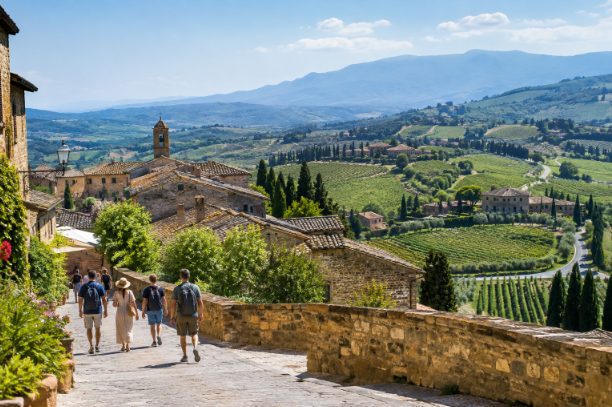
From the grand museums of Florence and Rome to vineyard roads in Tuscany, fishing villages along the coast, and mountain landscapes in the north, Italy offers more than one trip can contain. The goal is not to collect as many destinations as possible. It is to create a route that lets each place feel distinct.
Why Italy Itineraries Often Feel Too Busy
Italy can look deceptively compact on a map. Yet a move between cities may involve getting to a station, handling luggage, waiting for a train, finding a hotel, and orienting yourself in a new neighborhood. A route with frequent one-night stays can turn a vacation into a series of departures.
Instead of planning around a list of famous names, plan around rhythm. Give major cities enough time to take in their essential sights and quieter streets, then add a contrasting stay in the countryside, by a lake, or on the coast. This approach makes the differences between regions easier to appreciate.
Step 1: Decide What the Trip Should Feel Like
A clear travel theme turns a long wish list into practical choices. Art and history trips may focus on Rome, Florence, Venice, and their museums, churches, and archaeological sites. Food lovers might choose Bologna, Emilia-Romagna, Tuscany, or Puglia for markets, regional restaurants, and cooking experiences.
For coastal scenery, stay in one seaside base instead of changing beach towns daily. Outdoor travelers may prefer the lakes, Dolomites, or central Italy’s walking routes. Families benefit from short transfers, spacious lodging, and outdoor time; slow travelers can pick one or two towns and follow the local pace.
Step 2: Match the Route to the Number of Days
Five to Seven Days
Keep the trip to one region or two nearby bases. Rome and Florence, Florence and Tuscany, or Milan and the lakes can work better than attempting to cross the country. Day trips are useful when the return journey is straightforward and does not take up the evening.
Eight to Twelve Days
This timeframe can support two major cities plus one slower destination. For example, combine a cultural center with a countryside stay or a seaside finish. Aim for at least two nights in most places so that arrival day does not become your only impression.
Two Weeks or More
A longer visit can connect northern, central, and southern regions, but it still needs restraint. Add a rest day after several museum-heavy or transfer-heavy days. More time is best spent on deeper stays, not simply on more pins on a map.
Step 3: Build Around Two or Three Main Bases
Using a base gives you time to unpack, get to know the neighborhood, and enjoy evenings without worrying about the next departure. A city base can support nearby day trips, while a farmhouse, small town, or coastal village can provide a quieter counterpoint to urban sightseeing.
One-night stays are sometimes necessary, especially on a point-to-point route, but they should be the exception. Before booking a hotel, consider its proximity to the station, ferry terminal, parking area, or airport. A beautiful property far from your arrival point can make a short stay unnecessarily complicated.
Step 4: Choose a Route Pattern That Reduces Backtracking
- Classic culture route: Pair historic cities with a countryside stop.
- City and coast route: Begin with museums and architecture, then slow down near the sea.
- Food-focused route: Connect culinary cities with markets, farms, and regional dining.
- Slow travel route: Stay longer in smaller towns and take short local excursions.
- North-to-south route: Travel in one direction instead of repeatedly returning to the same hub.
- Open-jaw route: Arrive in one city and depart from another when flight and rail options support it.
Step 5: Plan Transportation Before Booking Hotels
High-speed rail can be an efficient option for travel between several major Italian cities, while a rental car is often more practical for rural districts, hill towns, and dispersed vineyards. Browse route ideas across cities, villages, nature, and activities before finalizing your stop sequence.
If you plan to drive, research restricted traffic zones before entering historic centers. These areas are common in Italian cities and can make centrally located accommodation less convenient for drivers. Allow time for luggage transfers, station connections, hotel check-in, and delays when shaping each travel day.
Step 6: Balance Famous Sights With Quieter Experiences
Book only landmarks that match your interests, not every famous attraction. Pair a busy museum morning with a neighborhood walk, market, park, or long lunch. Check popular sites’ opening days, entry rules, and seasonal hours before scheduling.
One memorable activity per destination—such as a food tour, museum, winery visit, or boat trip—is usually enough. Leave free time for weather, fatigue, or places you want to explore longer.
Step 7: Choose the Right Season for Your Route
Spring can suit city walks, gardens, and countryside drives, although layers are useful for cool mornings and changing weather. Summer favors coastal areas and islands, but early sightseeing and advance lodging reservations can make the hottest, busiest periods easier to manage.
Autumn is a natural fit for food regions, harvest-related activities, and smaller towns. Winter can be rewarding for museum-focused city breaks and seasonal celebrations, though some rural and coastal businesses may operate on reduced schedules. Check local conditions before committing to a remote destination.
Practical Details to Check Before Departure
- Confirm passport validity, entry requirements, and travel insurance coverage.
- Review weather forecasts for every region on your route.
- Carry comfortable walking shoes, manageable luggage, and backup payment options.
- Check rail service changes or local transport disruptions near your travel dates.
- Review thecurrent safety guidance for Italy before departure.
Common Mistakes to Avoid
- Trying to see the entire country during a short first visit.
- Booking several one-night stays in a row.
- Ignoring the time needed to reach airports, stations, ports, and hotels.
- Scheduling a full sightseeing day immediately after a long arrival.
- Leaving no room for meals, rest, delays, or weather changes.
Frequently Asked Questions
How many destinations should a first Italy trip include?
Two to four main bases often work well, depending on the length of the trip and your pace. A shorter trip benefits from fewer stops, while a longer trip can add variety without sacrificing time in each destination.
Is a rental car needed for the whole trip?
Not necessarily. A car can be helpful in rural areas, but it may add expense and stress in large cities. Many travelers take trains between major cities and rent a car only for the countryside portion of their trip.
How much free time should be included?
Leave part of a day open every few days, especially on longer trips. Those unplanned hours often become the time you remember most clearly.
Conclusion
The best Italy itinerary is not the one with the most stops. It is the one that gives cities, landscapes, meals, and ordinary moments enough room to feel real. Build around a few well-chosen bases, make transportation part of the plan, and leave space for Italy to surprise you.