
The modern vacation was originally designed as a brief, refreshing escape from daily obligations. However, a 2025 YouGov travel trends report revealed that 70% of US and 71% of UK travelers find the process of planning and booking modern trips actively stress-inducing. This phenomenon, widely referred to as booking burnout, highlights a growing paradox where our attempts to relax simply create a different kind of exhaustion before we even pack our bags. To combat this underlying fatigue, a massive shift is occurring in how we view time away, moving from packed schedules to intentional rest. By understanding how the pressures of daily life amplify travel-related exhaustion, we can begin planning trips that genuinely heal rather than harm.
The Rising Toll of Travel Fatigue
Instead of simply trying to find moments of calm during a bustling Bangkok holiday, modern travelers are increasingly dedicating their entire itinerary to immersive eco-conscious restoration. Over-scheduled and highly stimulating urban tourism naturally induces high travel fatigue and sensory overload. By swapping concrete jungles and endless transit lines for natural sanctuaries, travelers are actively reclaiming the true, restorative purpose of taking time off.
A 2024 survey by World Travel Protection found that 46% of frequent travelers report experiencing increased stress, exhaustion, and burnout directly linked to their fast-paced itineraries. Rushing between multiple tourist sites to maximize limited vacation days often leaves travelers needing an additional vacation just to recover from their trip. The logistical hurdles of navigating unfamiliar transit systems, deciphering language barriers, and battling jet lag compound this fatigue, turning what should be a joyful adventure into an endurance test.
Healing Through Nature and Eco-Conscious Design
This realization is heavily reshaping global hospitality, particularly in tropical destinations where nature is abundant. High-end properties are prioritizing biophilic design and circular sustainability to enhance guest well-being while actively protecting local ecosystems. For those exploring Vietnam, choosing a sustainable resort Phú Quốc that models slow-living hospitality allows travelers to deeply connect with their environment. Establishments like La Veranda, an upscale MGallery boutique hotel, show how a 1920s French Indochine seaside mansion set amid dense gardens can perfectly merge eco-conscious operations with profound physical restoration.
Nature-based wellness is no longer just a passing luxury trend. It is an effective, scientifically proven treatment for chronic stress and mental burnout. According to a comprehensive report by the American Psychological Association, time spent in natural environments triggers physiological responses that lower stress levels and restore depleted cognitive resources. This confirms that immersive green environments provide a measurable, biological mental health reset for exhausted travelers.
Key Elements of a Restorative Wellness Getaway
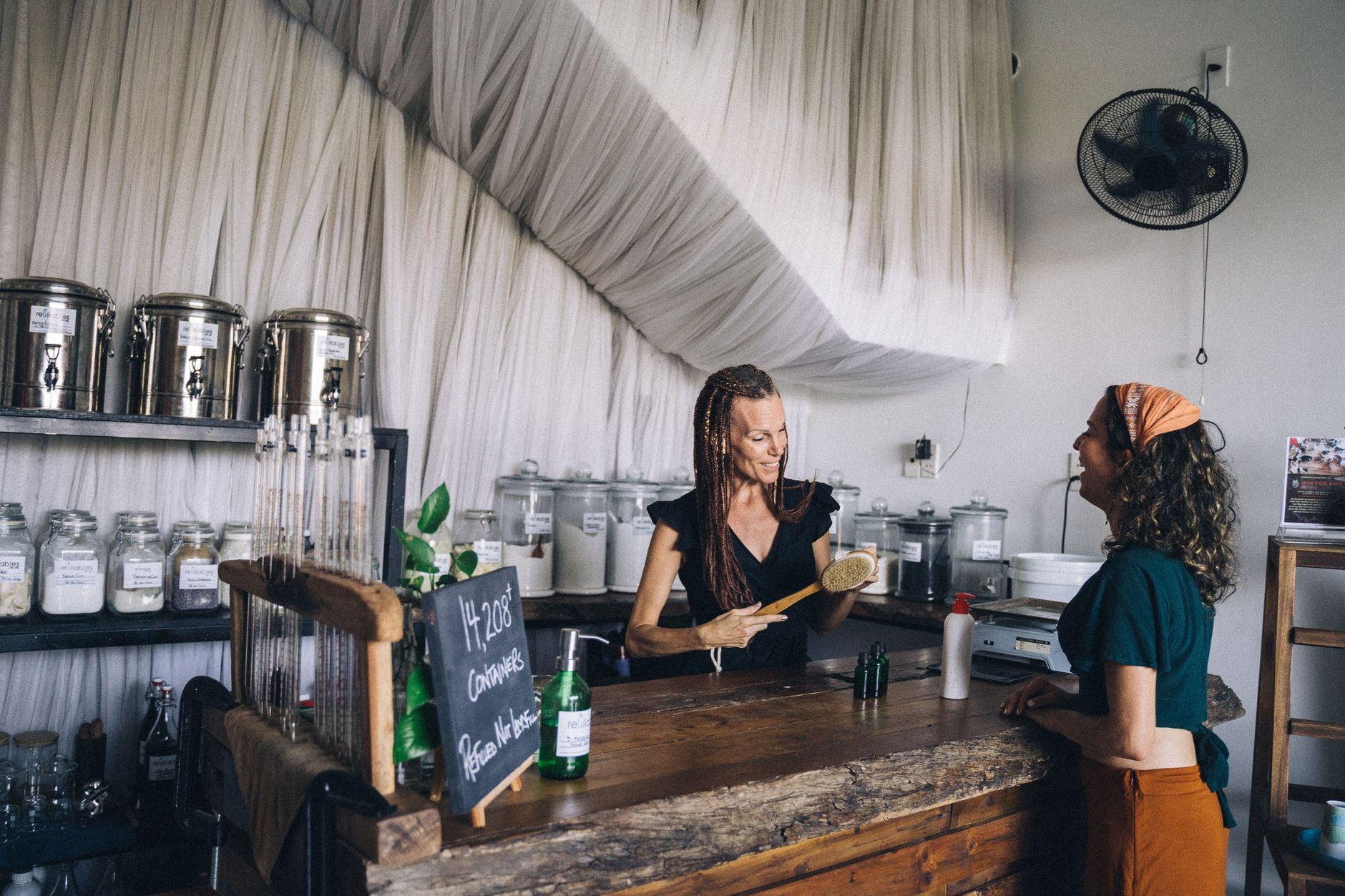
When eco-conscious practices align with holistic wellness, the physical and mental benefits multiply. Modern properties are eliminating single-use plastics and adopting sustainable methods that actively benefit both the planet and the guest. This intersection creates a holistic environment where travelers can truly unplug from their daily stressors. To successfully combat travel fatigue and chronic stress, restorative getaways typically incorporate several core elements:
- Mindful Movement: Daily activities like sunrise beach yoga and guided meditation help travelers break the vicious cycle of digital overstimulation and physical tension.
- Sustainable Nutrition: Utilizing on-site organic gardens to support farm-to-table dining ensures that guests consume fresh, nutrient-dense ingredients that are sustainably and locally sourced.
- Holistic Spa Rituals: Sanctuaries dedicated to physical recovery are essential. Exceptional programs offer curated multi-day retreats combining traditional therapies and mindful movement, such as those found at the TĨNH Wellness Sanctuary, which was named the Global Winner for Luxury Boutique Wellness Spa at the 2024 World Luxury Spa Awards.
- Luxury Organic Amenities: Replacing synthetic products with high-quality organic amenities reduces environmental footprints while offering a purer, more natural experience for visitors.
Rethinking Your Next Itinerary
The shift toward restorative boutique travel is undeniable across the industry. The Global Wellness Institute reported that the overall global wellness economy reached a record 6.8 trillion dollars in 2024, with wellness tourism alone generating a massive 894 billion dollars. People are no longer traveling just to take photos of new sights. They are traveling to fundamentally repair their physical and mental health in supportive environments. These environments provide a safe haven where individuals can disconnect from their screens, reset their circadian rhythms, and engage in deeply nourishing practices that modern urban life rarely permits.
A 2025 McKinsey Future of Wellness report found that nearly 60% of consumers who booked travel for health and wellness treatments in 2024 intend to do so again in the coming year. Their primary goal is to digitally detox and prioritize their mental well-being over frantic sightseeing. By embracing eco-conscious wellness travel, you can step away from the exhausting, high-speed pace of modern life. Choosing destinations that prioritize sustainable practices, lush natural surroundings, and slow living transforms a simple vacation into an ultimate, lasting antidote to burnout.