
You wake up with several itchy marks on your arm and notice a tiny dark spot near the edge of your mattress. After checking the bedding, you find a small, flat insect tucked into a seam. You wash the sheets, vacuum the bedroom, and hope the problem is gone. Then, several days later, you notice similar signs on the sofa.
Bed bugs can spread throughout a home without drawing much attention. Unlike ants or cockroaches, they are not attracted to food scraps or poor housekeeping. They feed on blood and spend much of their time hiding close to places where people sleep or rest. Effective Bed Bug Control requires understanding these habits and finding insects and eggs in all affected areas. Homeowners considering professional assistance from Agile Pest Control should also understand why treating only the mattress may leave an infestation unresolved.
A bed bug problem can develop in an otherwise clean, well-maintained home. The challenge is not necessarily preventing every insect from entering. It is recognizing activity early and avoiding the mistakes that help an infestation spread.
Table of Contents
- How Do Bed Bugs Travel Between Rooms?
- Where Do Bed Bugs Hide Besides Mattresses?
- What Are the Most Reliable Signs of Bed Bugs?
- Why Do Bed Bugs Return After Cleaning?
- Which Treatment Methods Actually Work?
- Why Are Bed Bug Foggers Often a Poor Solution?
- How Can You Avoid Spreading Bed Bugs During Treatment?
- How Long Does It Take to Eliminate an Infestation?
- How Can You Reduce the Risk of Another Infestation?
- Stopping the Spread Requires More Than Cleaning
How Do Bed Bugs Travel Between Rooms?
Bed bugs cannot fly or jump, but they can crawl across floors, walls, furniture, and other surfaces. They also travel by hitchhiking on personal belongings.
A suitcase placed beside an infested bed may carry an insect into another home. Used furniture, clothing, and bags can create similar opportunities. Once inside, bed bugs may settle near a sleeping area and gradually spread as their numbers increase.
Moving Between Connected Spaces
Bed bugs may travel through cracks around baseboards, gaps near electrical fixtures, and other openings connecting rooms. In apartment buildings and other multi-unit properties, movement between neighboring units is possible.
They can also spread when occupants move bedding, clothing, or furniture from an affected room into an unaffected space.
For example, someone who discovers bed bugs in a bedroom might start sleeping on the living room sofa. This can introduce insects to another resting area, making treatment more complicated.
Staying in the usual sleeping location until professional guidance is available may help avoid unnecessary movement between rooms.
Where Do Bed Bugs Hide Besides Mattresses?
Mattress seams are familiar hiding places, but they represent only part of the picture.
Bed bugs prefer narrow, protected spaces where they can remain undisturbed between feeding periods. As an infestation develops, they may occupy locations farther from the bed.
Common hiding areas include:
- Bed frames, headboards, and joints in wooden furniture.
- Cracks around baseboards and nearby wall fixtures.
- Upholstered sofas, chairs, and furniture seams.
- Drawer joints and gaps behind bedside tables.
- Folds in curtains and other concealed fabric edges.
- Suitable openings around wall-mounted decorations.
These locations explain why washing bedding alone rarely resolves an established infestation.
A detailed inspection should focus on the sleeping area first, then expand according to the evidence discovered.
What Are the Most Reliable Signs of Bed Bugs?
Skin reactions are often the first reason people suspect an infestation. However, bites alone cannot confirm bed bugs.
Some people develop visible reactions, while others experience little or no response. Other insects and skin conditions can also produce similar marks.
More useful evidence includes live insects, shed skins, eggs, and dark fecal spotting around hiding places.
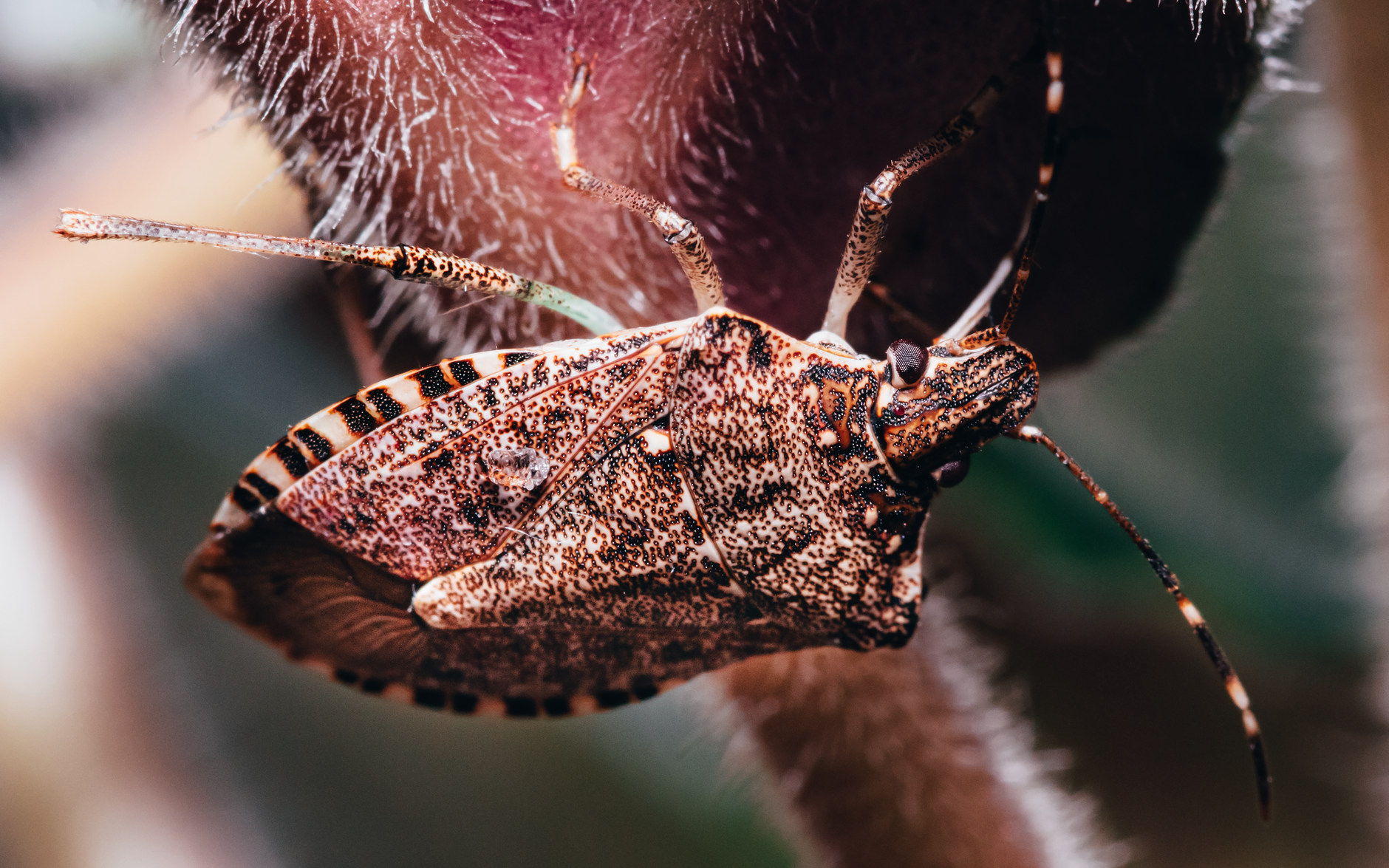
Adult bed bugs are small, flat, oval insects that are generally reddish-brown. Young bed bugs are smaller and may be pale before feeding.
Inspect Without Spreading the Problem
Use a flashlight to examine mattress seams, bed-frame joints, and nearby furniture. Avoid carrying suspected items throughout the house.
If you find an insect, preserve it in a sealed container or take a clear photograph for identification.
Accurate identification is the first step in Bed Bug Control because other small household insects are sometimes mistaken for bed bugs. Treating the wrong pest wastes time and may expose occupants to unnecessary chemicals.
Why Do Bed Bugs Return After Cleaning?
Cleaning removes debris and may eliminate some visible insects, but bed bugs can remain hidden in small cracks that ordinary cleaning tools cannot reach.
Their eggs may also survive when treatment fails to address the appropriate locations. Newly hatched insects can then appear after the initial cleaning.
Another common problem is incomplete coverage. Treating the mattress while ignoring the bed frame, surrounding furniture, and adjacent hiding places allows surviving insects to continue feeding and reproducing.
This is why a single treatment does not always provide immediate results.
For persistent activity, an inspection arranged through Agile Pest Control or another qualified provider should establish the extent of the infestation before a treatment approach is selected. The important question is whether the plan addresses confirmed hiding places and includes appropriate follow-up.
Which Treatment Methods Actually Work?
Successful treatment often involves several measures rather than relying on one household product.
The appropriate combination depends on infestation severity, furniture construction, room layout, and whether neighboring areas are affected.
Heat and Professional Treatment
Bed bugs are sensitive to sufficiently high temperatures. Professional heat treatments can be effective when equipment, temperatures, exposure periods, and preparation are properly managed.
However, heating a room without professional equipment is not a safe substitute. Household heaters and improvised methods can create fire hazards and may leave cooler hiding places untreated.
Laundering and Careful Handling
Wash suitable fabrics when appropriate, and use a dryer on a high-heat setting for the recommended duration when the material permits. Dryer heat can kill bed bugs and eggs when the entire load reaches an effective temperature.
Place potentially infested items in sealed bags before transporting them to laundry areas. Keep treated belongings separated from untreated items to prevent recontamination.
Targeted Pest Treatments
Professional Bed Bug Control may involve suitable insecticides, desiccant products, heat, or a combination of methods.
Products must be approved for their intended application and used according to their labels. Never apply pesticides directly to bedding, clothing, or skin unless the product is specifically labeled for that use.
Avoid excessive spraying and do not use outdoor insecticides indoors.
Why Are Bed Bug Foggers Often a Poor Solution?
Total-release foggers, sometimes called bug bombs, may seem convenient because they distribute pesticide throughout a room.
Unfortunately, the released material may not penetrate the deep cracks and protected spaces where bed bugs hide.
Foggers can also create exposure and fire risks when used incorrectly. Repeated applications are not a reliable substitute for inspection and targeted treatment.
Instead of choosing a method based on convenience alone, homeowners should ask how the proposed treatment reaches the insects and eggs.
When discussing an infestation with Agile Pest Control, useful questions include which areas require preparation, what safety precautions apply, and whether follow-up inspections are recommended.
How Can You Avoid Spreading Bed Bugs During Treatment?
Preparing a room incorrectly can make the problem worse.
Moving furniture into clean rooms, leaving untreated bags open, or discarding infested items without proper containment can spread insects.
Keep belongings organized according to the treatment instructions. Bag items carefully, identify which have been treated, and avoid mixing them afterward.
Do not automatically throw away mattresses or sofas. Some items can be treated successfully, depending on their condition and the infestation.
If disposal becomes necessary, wrap or contain the item before moving it and follow local disposal requirements. Clearly marking discarded furniture as infested can help prevent someone else from bringing it home.
Mattress Encasements and Monitoring
Bed bug-proof mattress encasements can help contain insects already inside and make future inspection easier when used correctly.
Interceptor devices positioned under suitable bed legs may help monitor activity. They are useful tools, but neither an encasement nor a monitor replaces treatment of an established infestation.
Monitoring becomes especially valuable after treatment because bed bugs may remain difficult to detect when their numbers are low.
How Long Does It Take to Eliminate an Infestation?
There is no single timeline that applies to every household.
A small, recently discovered infestation may be easier to address than one involving several bedrooms and upholstered furniture. Treatment methods, preparation, accessibility, and the number of affected areas all influence the process.
Some treatment programs require more than one visit to address surviving insects or newly hatched bugs.
Continue following the recommended monitoring schedule even when bites or sightings stop. The absence of visible activity for a few days does not necessarily confirm elimination.
Agile Pest Control or any other pest management company being considered should be able to explain how treatment progress will be assessed and what circumstances might require additional attention.
How Can You Reduce the Risk of Another Infestation?
Prevention is particularly relevant when traveling, purchasing secondhand furniture, or living in a building where neighboring units have experienced infestations.
Inspect used beds and upholstered furniture carefully before bringing them inside. During travel, examine sleeping areas for suspicious signs and keep luggage away from beds when practical.
After returning from a location where bed bugs may have been present, inspect belongings and handle potentially exposed clothing appropriately.
Avoid assuming that a clean room is automatically free of bed bugs. Their presence is not a reliable measure of housekeeping standards.
Stopping the Spread Requires More Than Cleaning
Bed bugs spread because they are small, difficult to detect, and capable of hiding in places that ordinary cleaning cannot reach. Moving untreated belongings or relying on ineffective products can allow an infestation to extend beyond its original location.
A reliable Bed Bug Control approach combines accurate identification, careful handling of belongings, suitable treatment methods, and continued monitoring.
For homeowners evaluating Agile Pest Control, understanding these steps makes it easier to ask informed questions about inspection, treatment preparation, and follow-up. Addressing all affected areas is far more useful than repeatedly treating the first place where an insect was discovered.