
So, you’ve decided to move to another country. That’s a big decision. Maybe you’re chasing a new career. Perhaps you’re joining family abroad. Or maybe you’re just looking for a different lifestyle.
Whatever the reason, the idea of building a life somewhere fresh and new… Well, it’s exciting. The planning that comes with it, on the other hand, feels like a job in itself.
There’s plenty to think about before you go, though. You’ll need to understand the immigration rules. You’ll need to get your finances in order. And you’ll certainly need to figure out how to manage all the practical details of moving your life across borders.
Of course, some tasks are easier than others. There’s even some that are easy to overlook. You’ll be caught up in the excitement of it all. But that doesn’t mean you leave them to the last minute. Doing so would only create problems later.
The good news? You don’t have to sort everything out at once. Start early, break the process into manageable steps, and give yourself time to deal with the unexpected…
Keep reading to learn more.
Table of Contents
Manage Continuous US Tax and Financial Reporting Obligations
Are you a US citizen planning to move overseas? If so, there’s one thing you should know before you begin packing:
Moving abroad doesn’t automatically mean you stop having US tax obligations.
This catches some people by surprise. You might be working for a company in a different country, earning money in a different currency, and paying taxes where you live. Even so, you might still need to file a US federal tax return. You’ll also report income earned abroad.
US citizens generally have to report their worldwide income. Certain exclusions, deductions, and tax credits may reduce the amount of tax owed.
Bank accounts add another layer of paperwork. Depending on the balances in your foreign accounts and your personal circumstances, reporting them to US authorities might be necessary. This includes filing a Foreign Bank Account Report (FBAR). This is separate from your regular tax return.
So, before you move, take a good look at your financial situation. Think about the following:
Salary,
Savings,
Investments,
Retirement accounts,
And any property you own.
If you’ll be earning income in another country, find out how the local tax systems work. You’ll also need to understand whether a tax treaty or other provisions could affect your obligations.
Getting advice from a tax professional who understands both US and international tax rules will save you a lot of headaches – particularly if your finances are more complicated than a regular salary.
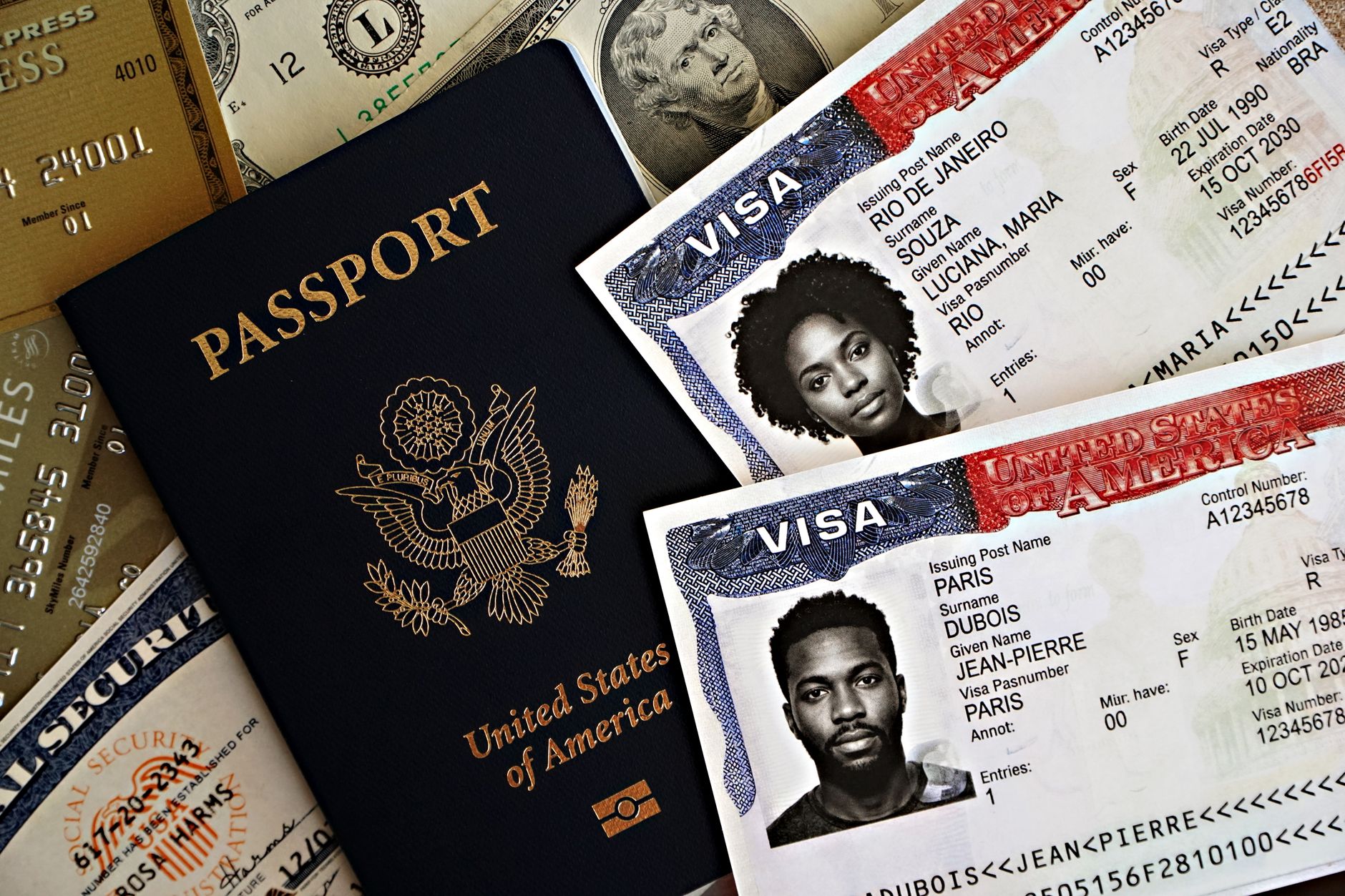
Secure an Appropriate Legal Visa
Before you get too far into planning your new life, ensure you know exactly what permission you’ll need to live in your destination country.
Visiting somewhere as a tourist is one thing. Move there to work, study, join a partner, or retire is another thing completely. The rules will be very different. Entering a country legally doesn’t necessarily mean you’re allowed to stay long term or take up employment.
Begin by being clear about why you’re moving. If you’ve accepted a job, your employer may be able to help you. They’ll explain the relevant visa options. If you’re planning to study, join your family, or retire abroad, then you’ll need to look into the requirements for your particular situation.
Official government immigration websites are the best place to begin. You could certainly ask other people about their experiences. Yet, their circumstances might not match yours – so remember that. A visa that worked for a friend might not be available to you, and immigration rules do change.
Pay attention to the smaller details as well. There might be aspects you need to prove. Proof of income. Accommodation. Health insurance. Savings. Some applications require translated or certified documents, medical checks, or police certificates. Such steps take time. Don’t just assume you will get everything done a few weeks before departure. You won’t.
It’s just as crucial to understand what happens after your visa is approved. Can you change employers? Can you work freelance? How long can you stay? And – as a follow up – when will you need to renew your permission? If you’re hoping to settle permanently, check whether your visa offers a route to long-term residency.
The distinction between immigrant vs. expat comes into play here. People often use the word expat for someone living abroad temporarily. Immigrant is used for someone planning to settle in another country. In practice, the terms overlap. Neither one determines your legal status.
What matters for your move is understanding the residency and immigration rules that apply to you.
Prepare Logistics 12 to 18 Months in Advance
Making plans a year or more ahead sounds excessive, right? But relocating your entire life is a different proposition. It’s nothing like organizing a trip in a matter of weeks. Starting 12 to 18 months in advance gives your breathing room. This is particularly true if visas, housing, or employment arrangements take longer than expected.
Start with the basics. Where will you live? How much will it cost? Will you have a job waiting for you? Or will you need savings to cover the first few months? Researching certain factors – like local rent prices, transport options, healthcare, and everyday expenses – is required. If you can visit before committing, even better.
Next, work out your budget. Flights and shopping costs are obvious expenses, but don’t forget the others:
Rental deposits,
Temporary accommodation,
And setting up utilities.
Keep some money aside for unexpected costs, too. It’s much easier to handle a surprise expense when you have a financial cushion.
To conclude, immigrating isn’t an easy process. There’s a lot of tasks to complete before you jet off – and a lot of them will be tedious. However, they are necessary. With this in mind, follow the advice above to ensure the process goes as smoothly as possible.