
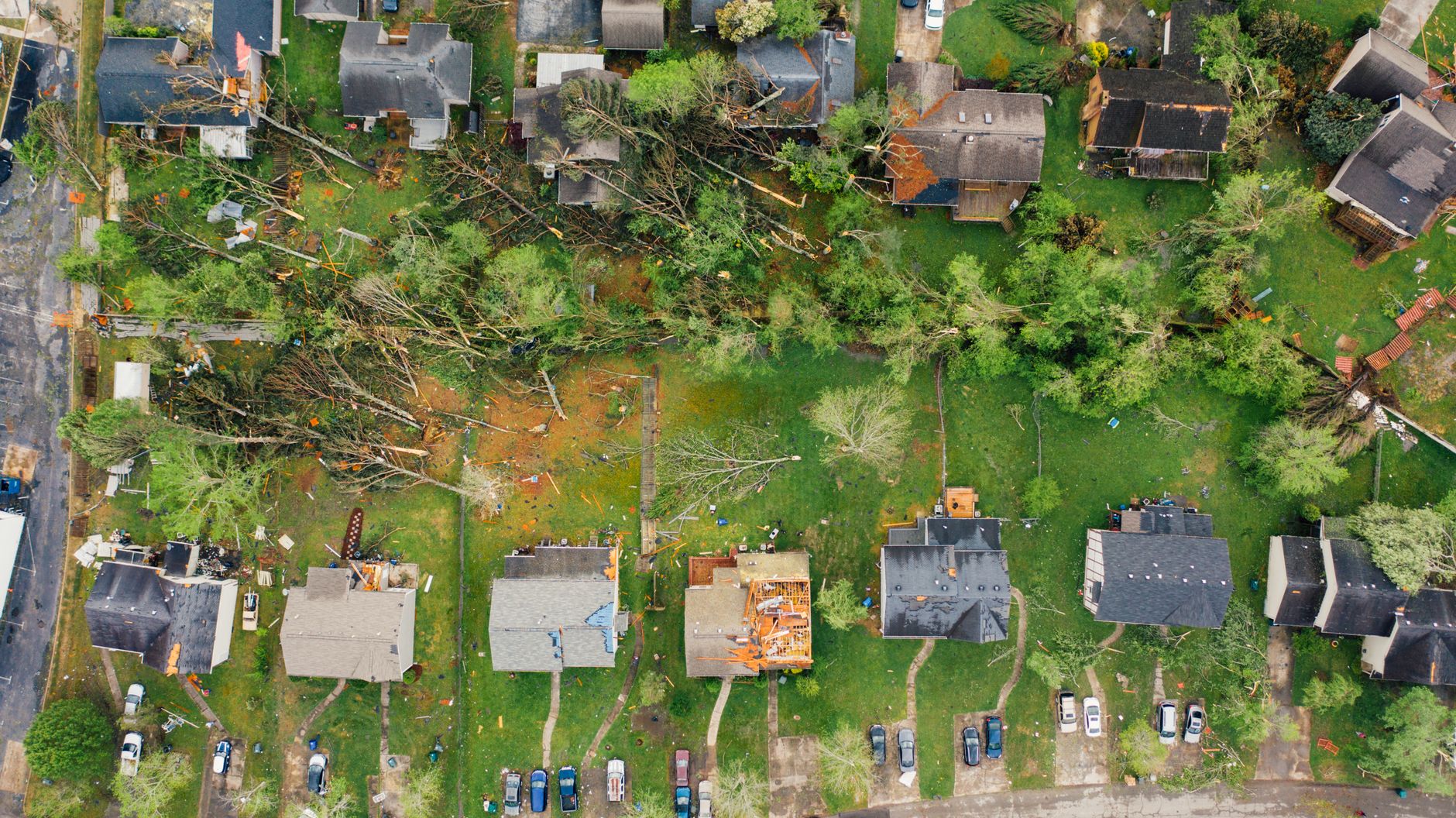
Could the weather above your home slowly weaken your roof without you seeing it? Rain, strong wind, hail, heat, and sunlight can all cause roof weather damage, even when the roof looks fine from the ground.
By reading this guide, you will learn how each type of weather can affect your roof, which warning signs to watch for, and simple steps that can help keep your home dry, safe, and protected. You will also see how simple maintenance can lower weather risks, when to seek professional help, and how to prepare your roof before severe storms arrive with greater confidence.
Table of Contents
- Rain Can Lead To Roof Leaks
- Strong Wind Can Lift Roofing Materials
- Hail Can Damage Shingles
- Sun And Heat Can Wear Down A Roof
- Cold Weather Can Create New Problems
- Storms Can Combine Several Roof Threats
- Gutters Help Protect The Roof
- Flashing Protects Weak Roof Areas
- Trees Can Increase Storm Damage
- Weather Can Affect Different Roofing Materials
- Small Roof Problems Can Grow
- Regular Roof Inspections Matter
- Simple Maintenance Can Reduce Weather Damage
- Check The Attic For Warning Signs
- Prepare Your Roof Before Storm Season
- Weatherproofing Can Add Extra Protection
- Know When Professional Roof Repair Is Needed
- Build A Long Term Roof Care Plan
- Keep Your Roof Ready For Changing Weather
Rain Can Lead To Roof Leaks
Rain is one of the most common causes of roof trouble because water can enter small gaps, cracks, and weak seams. A roof leak may begin around flashing, vents, chimneys, or places where roofing materials meet. If water stays trapped under the roof, it can damage wood, insulation, walls, and ceilings.
Heavy rain can also test every part of a roofing system at once. Gutters must carry water away, while shingles and flashing must keep water from getting under the roof surface. Regular roof maintenance helps find weak spots before a small leak turns into a larger repair.
Strong Wind Can Lift Roofing Materials
Strong wind can pull at shingles, loosen flashing, and move other roof parts out of place. Older shingles may be more likely to crack, curl, or lift when a storm brings strong gusts. Missing or loose materials can leave open areas where rain can enter the roof.
Wind damage may not always be easy to see from the ground. After a major storm, look for loose shingles, fallen roof pieces, and signs of damage near the edges of the roof. A roof inspection can help find problems that may be hidden from normal view.
Hail Can Damage Shingles
Hail can strike a roof with enough force to crack, dent, or weaken roofing materials. Larger hail can leave visible marks, while smaller hail may cause damage that is harder to notice. Repeated hail strikes can reduce the roof's ability to protect the home from later rain and wind.
After a hailstorm, check for damaged shingles, dents on metal parts, and loose roof materials. Do not climb onto the roof unless you have the proper training and safety equipment. If damage is suspected, a qualified roofing professional can inspect the area and explain what repairs may be needed.
If a storm has caused clear roof damage, timely help can prevent small problems from growing. Homeowners looking for professional support can learn more about hail damage roof repair and the steps used to restore a damaged roof. Acting soon can also help reduce the chance of water entering the home during the next storm.
Sun And Heat Can Wear Down A Roof
Strong sunlight can slowly age roofing materials over time. Ultraviolet rays can dry, fade, crack, or weaken some roofing products, especially when the roof is exposed for many years. High heat can also cause some materials to expand during the day and contract as temperatures fall.
Heat can affect more than the outside roof surface. Poor attic ventilation may trap hot air and raise the temperature under the roof, which can add stress to roofing materials. Good airflow can help manage heat and moisture while supporting a longer roof life.
Cold Weather Can Create New Problems
Cold weather can affect roofs in places where freezing temperatures are common. Water can enter small cracks, freeze, expand, and make those weak areas larger. Repeated freezing and thawing may slowly damage shingles, flashing, and other roof parts.
Ice and snow can also place extra weight on a roof. When snow melts, water may collect near blocked drains or other areas where it cannot move away. Keeping drainage paths clear helps reduce standing water and lowers the risk of leaks during cold weather.
Storms Can Combine Several Roof Threats
Severe storms often bring more than one type of roof stress at the same time. Strong wind may loosen shingles while heavy rain pushes water into newly opened gaps. Hail can add impact damage, making the roof more exposed to later weather.
A storm can also damage gutters, downspouts, flashing, vents, and nearby trees. Branches may fall onto the roof or block drainage paths after a storm passes. Checking the whole roofing system helps you avoid missing damage that may cause trouble later.
Gutters Help Protect The Roof
Gutters play an important role in moving rainwater away from the roof and home. When leaves, dirt, or other debris block the gutters, water may back up and reach roof edges, walls, or other areas. Over time, poor drainage can contribute to leaks, stains, rot, and other costly damage.
Gutter maintenance should be part of regular home care, especially before periods of heavy rain. Check that gutters are secure and that downspouts send water away from the home's foundation. Keeping these paths clear helps the roof drain water as it was designed to do.
Flashing Protects Weak Roof Areas
Flashing is used around places where water could enter, such as roof edges, vents, chimneys, and wall joints. It helps guide water away from seams and other openings in the roofing system. Damaged or loose flashing can create a path for water to enter the home.
Weather can loosen flashing over time through wind, rain, heat, and repeated temperature changes. During a roof inspection, these areas should be checked for gaps, rust, movement, or other signs of wear. Fixing damaged flashing early may help prevent more serious water damage.
Trees Can Increase Storm Damage
Trees near a home can provide shade, but branches can become a roof risk during severe weather. Strong winds may break weak limbs and send them onto shingles, vents, gutters, or other roof parts. Even small branches can scratch surfaces or block drainage after a storm.
Regular tree care can reduce some of these risks before storm season arrives. Look for dead, weak, or overhanging branches that could reach the roof during high winds. A trained tree professional can handle branches that are too large or unsafe for a homeowner to remove.
Weather Can Affect Different Roofing Materials
Roofing materials respond to weather in different ways. Asphalt shingles can lose strength with age and long exposure to heat, sunlight, rain, and wind, while metal roofs can face issues such as corrosion or loose fasteners. Tile and other materials can crack or break after strong impacts or sudden changes in temperature.
Knowing the material on your roof can help you understand its care needs. Follow the manufacturer's care guidance and have repairs made with suitable materials. Using the right repair method helps keep the roof working as one complete system.
Small Roof Problems Can Grow
A small roof problem may seem harmless when it first appears. A loose shingle, tiny crack, or worn seal can allow water to reach areas that are not easy to see. Hidden moisture can then damage wood, insulation, drywall, or other parts of the home.
Weather can make these small issues worse with every new storm. Water may spread farther, while wind can pull at an already weak section of the roof. Early roof repair can limit the damage and may cost less than waiting until a larger failure occurs.
Regular Roof Inspections Matter
A roof inspection can help homeowners find signs of weather damage before they become major problems. Inspections should look at shingles, flashing, vents, gutters, drainage paths, and other visible parts of the roofing system. A careful check can also identify areas that need closer review.
The best time for an inspection depends on the roof, local weather, and recent storms. It is wise to check the roof after severe weather and as part of planned home maintenance. Professional inspections can be useful when damage is hard to see or when roof access is unsafe.
Simple Maintenance Can Reduce Weather Damage
Good roof care does not need to be complex. Keep gutters clear, remove nearby debris, watch for damaged materials, and respond to leaks as soon as they appear. These simple habits can help your roof handle normal weather with fewer problems.
It also helps to keep records of roof inspections and repairs. Notes about the roof's age, past work, and storm damage can make future care easier to plan. A clear maintenance record can also help you spot repeated problems before they become larger concerns.
Check The Attic For Warning Signs
The attic can show signs of roof trouble before damage is easy to see from outside. Look for damp insulation, water stains, musty smells, or daylight coming through areas that should be sealed. These signs may point to leaks, poor ventilation, or gaps in the roof.
Check the attic after heavy rain if it can be done safely. Moisture that stays in the attic can support mold growth and damage wood over time. Good attic airflow and prompt repairs can help keep the roof structure dry and sound.
Prepare Your Roof Before Storm Season
Roof preparation is easier when it starts before severe weather arrives. Check the roof surface, gutters, flashing, vents, and nearby trees while conditions are calm and safe. Repairing known weak areas before a storm can reduce the chance of added damage.
Make sure you know who to contact if a storm causes roof damage. Keep basic home records, repair details, and insurance information in a safe place where you can find them quickly. Being prepared can make the recovery process more organized after a major weather event.
Weatherproofing Can Add Extra Protection
Weatherproofing can add another layer of protection when weather is harsh. Seals around vents, doors, and roof openings should stay in good shape. Small gaps can let rain and wind enter places that should remain dry. Regular checks can also help keep seals from failing during storms.
Good roof care also includes watching changes around the home. New stains, damp areas, or damaged siding can point to water moving from the roof. Finding these signs early can help you trace the source before damage spreads farther. This can make roof repair easier and less costly.
Do not wait for a major storm to think about roof safety. Simple checks during calm weather give you time to fix weak areas. A prepared roof is better able to handle the next period of heavy rain, wind, or heat. It can also help protect rooms, belongings, and family spaces below.
Know When Professional Roof Repair Is Needed
Some roof problems are simple to spot, but others require a trained eye. If you see missing shingles, major leaks, damaged flashing, large dents, or signs of structural damage, professional help may be needed. Trying to repair serious damage without the right skills can create more problems and increase safety risks.
A roofing professional can inspect the roof and explain the condition of the affected areas. Ask about the cause of the damage, the needed repair, and any signs that other roof parts should be checked. Clear information can help you make a sound plan for protecting your home.
Build A Long Term Roof Care Plan
Weather is always changing, so roof care should not stop after one inspection or repair. Set regular times to check gutters, roof surfaces, attic areas, and other parts that can be affected by rain, wind, and sun. Keeping up with small tasks can help you find trouble while it is still easier to manage.
Your roof also has a useful service life that depends on materials, age, care, and local weather. Plan for repairs and eventual replacement instead of waiting for a major failure. A steady roof maintenance plan can help protect your home and make future costs easier to manage.
Keep Your Roof Ready For Changing Weather
Your roof faces rain, wind, hail, heat, and cold each year. Knowing the signs of roof weather damage helps you act early. Regular care can help keep your home dry and protected.
Check for damage after storms and fix weak areas quickly. Clear gutters and watch for leaks, loose shingles, or worn flashing. These simple steps can help your roof last longer.
Did this guide help you? Browse the rest of this section for more advice on a variety of topics.