
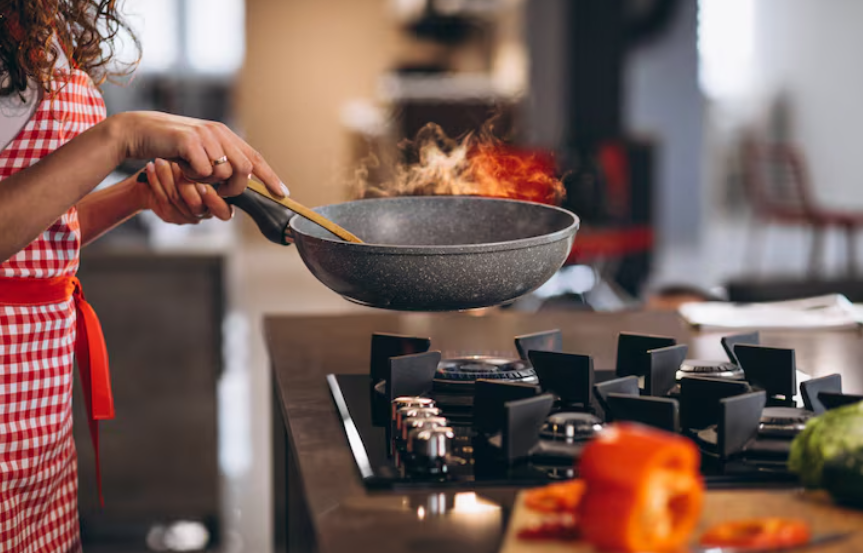
The kitchen has changed greatly over the years, and cooking appliances have changed along with it. One of the most important parts of a modern kitchen is the cooking surface, which has moved from simple open flames to advanced systems designed for speed, safety, and better energy use. Today, homeowners can choose from different designs depending on their cooking habits, kitchen size, and personal preferences. From traditional gas burners to sleek induction surfaces, hobs continue to play an important role in everyday cooking.
From Traditional Stoves to Modern Cooking Surfaces
The idea of a hob is not new. In its simplest form, a hob is the part of a cooking appliance where pots and pans are placed for heating. Early cooking methods relied on open fires, with cookware positioned directly over the flames. As homes became more developed, enclosed stoves and dedicated cooking areas gradually replaced open-fire cooking.
The arrival of gas made cooking more convenient because it gave people greater control over the heat. Electric cooking technology later introduced another option, offering consistent heating without the need for an open flame. These changes helped make cooking safer, cleaner, and easier to manage.
Modern hobs have continued this development by combining useful cooking functions with designs that suit contemporary kitchens. They are no longer viewed only as basic appliances. Their size, controls, materials, safety features, and energy efficiency can all influence the way a kitchen works.
Why Gas Hobs Remain Popular
Gas hobs continue to be a preferred choice for many households because they offer direct and responsive heat. When the flame is turned up, the heat output increases quickly. When it is reduced, the heat output also decreases quickly, giving cooks responsive control over the cooking process.
Another advantage is that gas hobs can still be used when there is a power interruption, provided the gas supply and ignition system allow it. This can be useful in areas where power interruptions occasionally occur. Gas burners also work with a wide range of cookware, making them practical for everyday meals.
Modern gas hobs have also improved in terms of safety and convenience. Features such as flame failure protection can help reduce risks if the flame goes out unexpectedly. Better burner designs can also improve heat distribution and help make cooking more efficient.
The Rise of Ceramic and Induction Hobs
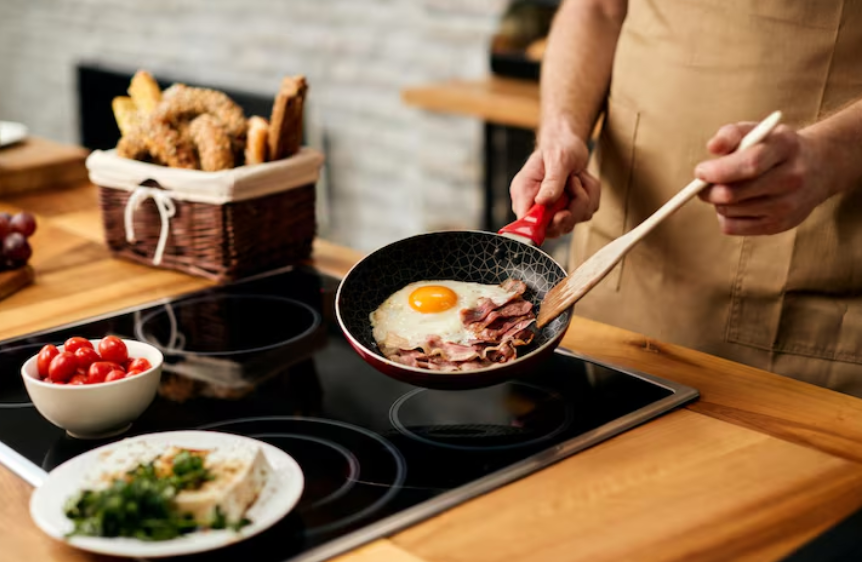
Electric hobs have introduced another level of convenience to modern kitchens. Ceramic models use heating elements positioned beneath a smooth glass surface. The flat design gives the kitchen a clean appearance and makes the surface relatively easy to wipe after cooking.
Induction hobs work differently. Instead of heating the surface first and transferring heat to the cookware, induction technology uses an electromagnetic field to heat compatible cookware directly. This allows food to heat quickly while keeping much of the surrounding cooking surface cooler.
Induction technology can also help reduce wasted energy because the heat is directed into the cookware. Many models include useful safety functions such as automatic shut-off, residual heat indicators, and pan detection. These features can make induction cooking appealing to households that want a modern cooking system with added convenience.
Hobs Designed for Modern Kitchens
Kitchen design has become an important part of choosing appliances. Homeowners often want their cooking equipment to perform well while also fitting naturally into the overall appearance of the room. This has encouraged manufacturers to create slimmer and more integrated hob designs.
Built-in hobs can be installed directly into kitchen worktops, creating a more organised appearance. Touch controls can also replace traditional knobs, giving the cooking surface a simple and uncluttered look. Some models are designed with controls that are easy to access without taking up unnecessary space.
This is especially useful in smaller kitchens where every section of the worktop needs to be used effectively. A well-designed hob can provide enough cooking space without making the kitchen feel crowded.
Smart Features and Connected Cooking
Technology is also changing how people interact with cooking appliances. Some modern hobs now include digital controls and settings that make it easier to manage cooking temperatures. More advanced appliances may also connect with other kitchen equipment or mobile devices.
Smart technology can help users monitor cooking settings and receive alerts. In the future, connected cooking appliances may become even more responsive, helping users manage cooking times and temperatures with less manual adjustment.
While smart features are not necessary for everyone, they show how cooking appliances are moving beyond their traditional functions. Convenience and automation are becoming increasingly important for people with busy lifestyles.
Energy Efficiency and Environmental Impact
Energy use is another factor that has influenced the development of modern hobs. Homeowners are becoming more aware of how much energy their appliances consume, which has encouraged manufacturers to focus on efficiency.
Induction hobs are often recognised for their efficient transfer of heat because energy is directed into the cookware rather than heating a large surrounding area. Faster heating can also help reduce the amount of time needed to prepare certain meals.
Gas hobs have also benefited from improvements in burner technology. More efficient burners can help provide better heat while using gas more effectively. Although different cooking technologies have different environmental considerations, improved efficiency remains an important goal across the industry.
Materials That Improve Durability
The materials used to make a hob affect both its appearance and its ability to withstand daily use. Modern cooking surfaces commonly use materials such as tempered glass, stainless steel, and other heat-resistant components.
These materials are designed to handle high temperatures, food spills, and regular cleaning. Glass surfaces can provide a modern appearance, while stainless steel can offer durability and a more traditional kitchen look. Choosing a hob made with reliable materials can help ensure that the appliance continues to perform well over many years.
Choosing the Right Hob for Your Kitchen
There is no single hob that is perfect for every household. The right choice depends on factors such as cooking habits, available space, cookware, energy preferences, and kitchen design.
Someone who enjoys cooking with visible flames may prefer a gas model because of its responsive heat control. Another homeowner may prefer induction because of its speed, smooth surface, and safety features. For people who want a straightforward electric cooking system, ceramic hobs can provide a practical middle ground.
The position of the hob also matters. Placing it close to preparation areas can make it easier to move between chopping, cooking, and serving. Good placement can reduce unnecessary movement and make everyday meal preparation more comfortable.
Keeping a Hob in Good Condition
Regular cleaning is important for keeping any hob working properly. Food and liquid should be cleaned up after cooking whenever possible. Allowing spills to remain on the surface can lead to stains or hardened residue that becomes harder to remove.
Different hob materials require different cleaning methods. Glass surfaces should generally be cleaned with suitable products and soft materials to avoid scratches. Gas burners may require more attention because food particles can collect around the burner components.
Following the manufacturer's care instructions can help protect the cooking surface and extend the appliance's useful life.
What the Future May Bring
Hob technology is likely to continue developing as kitchens become more efficient and connected. Future models may offer improved energy performance, more precise temperature control, and greater integration with other kitchen appliances.
Artificial intelligence and smart home technology could also play a larger role. Cooking appliances may eventually be able to recognise cooking patterns, provide reminders, or automatically adjust settings based on the food being prepared.
Despite these changes, the main purpose of a hob will remain the same: providing a reliable surface for preparing food. What has changed is the number of ways that technology can make this everyday task faster, safer, and more convenient. As modern kitchens continue to evolve, hobs will remain an important part of the cooking experience.