
When you think about living sustainably, your mind probably jumps to things like reusable shopping bags, composting kitchen scraps, or flicking off lights when you leave a room. And you'd be right! These personal actions are fantastic and totally lay the groundwork for a greener lifestyle. But here's the thing: the impact of sustainability doesn't just stop at your front door. The choices we make as a community, the way our cities run, and the roads and pipes that connect us all have a huge say in our collective environmental footprint.
Real sustainability stretches out into our neighborhoods, towns, and cities. It’s all about building systems that are efficient, tough, and fair for everyone. While it’s super important to live more sustainably on a personal level, getting the bigger picture helps us push for changes that create a healthier planet for all of us who love to get outside. So, let's peek beyond our homes and see how sustainability plays out on a larger scale.
Table of Contents
Community-Level Sustainability Efforts
Often, the most impactful changes happen when people team up. Think grassroots movements and local initiatives – that's where the seeds of big-picture sustainability really get planted. These efforts don't just help the environment; they also make community bonds stronger. The power of sustainable communities is how they get people working together towards shared goals.
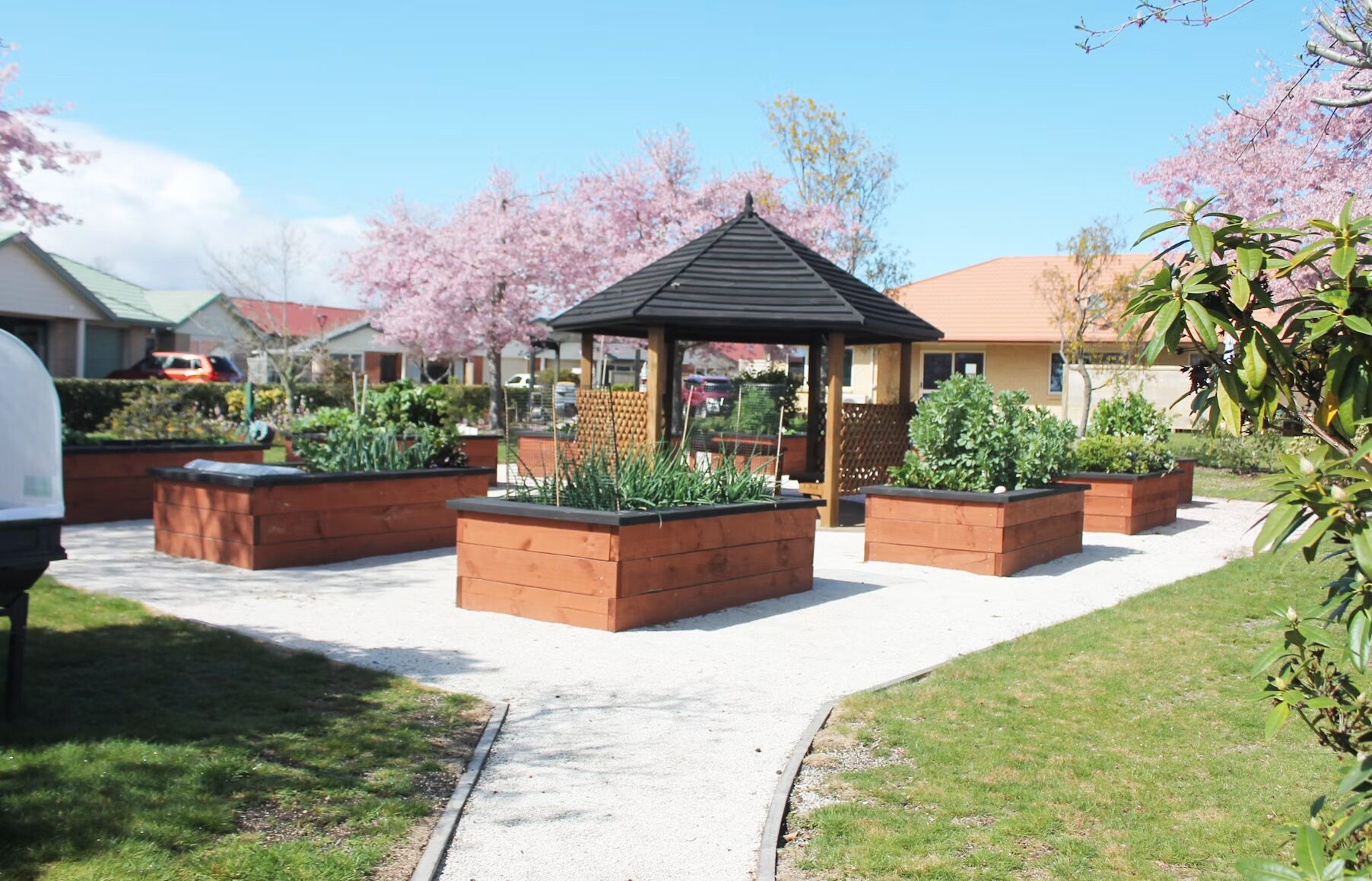
Community gardens are a perfect example. These shared plots let residents grow their own food, which cuts down on "food miles" – that's the distance food travels from the farm to your plate. Less travel means fewer transportation emissions, plus you get fresh, healthy produce right in your neighborhood. And it's not just about the environment; these gardens often become buzzing social hubs where neighbors connect, swap tips, and build friendships. This focus on well-being and connection is a big part of social sustainability, making sure that green projects also help build a strong, fair society.
Here are a few other ways communities are making a difference:
- Farmers' Markets: Shopping at local farmers' markets keeps money circulating in your community and gives you access to seasonal food with a much smaller carbon footprint.
- Tool Libraries and Repair Cafes: Instead of everyone owning a lawnmower or a power drill they use twice a year, tool libraries let folks borrow items as needed. This cuts down on buying new stuff and reduces waste. Repair cafes take it a step further, offering a spot where people can bring broken items and learn to fix them with volunteer help, extending product life and keeping things out of landfills.
- Local Swap Meets: Organizing neighborhood swaps for clothes, books, or kids' toys is a simple but super effective way to encourage reuse and lessen the demand for new manufacturing.
The Role of Public Services
While community efforts are awesome, the public services our towns and cities provide are really the backbone of large-scale sustainability. How a city handles waste, water, and transportation makes a huge difference to its environmental impact. When public services are efficient and well-run, they make sustainable choices the easy choices for everyone.
Take waste collection, for instance. A city with a solid, easy-to-use recycling program makes it simple for households to keep stuff out of the landfill. Some cities are even adding curbside compost collection for food scraps, turning organic waste into valuable soil instead of letting it create methane in a dump. The behind-the-scenes logistics are complex, involving thousands of homes, intricate routes, and heavy machinery. To make these operations as efficient as possible, many public and private haulers now rely on advanced waste management software to figure out the best routes, track bins, and use less fuel for their truck fleets. Most residents don't even see this kind of optimization, but it leads to lower emissions and better resource recovery.
Public transportation is another crucial service. A reliable and affordable network of buses, trains, or light rail gives people a real alternative to driving their own cars. This directly means less traffic, less air pollution, and fewer carbon emissions. When cities invest in frequent service and safe, clean transit options, they encourage a shift in behavior that benefits everyone. Smart urban planning that creates dense, walkable neighborhoods around transit hubs boosts this effect even more, making car-free living a practical option for more people.
Efficient Resource Management
Beyond what we see on the street, sustainability also means managing invisible resources like water and energy on a huge scale. A single leaky faucet at home is no big deal, but if you multiply that across a whole city's old infrastructure, the water loss can be mind-boggling. Modern cities are tackling this with smart tech and better planning.
Water management is a prime example. Many cities are putting money into advanced systems to find and fix leaks in their water mains before they turn into big breaks. Some are also promoting "gray water" systems, which recycle water from showers and washing machines to use in toilets or for watering gardens. On an even bigger scale, cities in dry areas are building large rainwater harvesting systems and bringing back wetlands, which act like natural sponges to refill groundwater supplies. These strategies help make sure there's a steady water supply without over-draining rivers and aquifers, which is vital for both people and healthy ecosystems.
Energy management is going through a similar transformation. Instead of relying on a few huge, faraway power plants, cities are moving towards a more spread-out energy grid. This means supporting rooftop solar panels on homes and businesses, and developing community solar farms where residents can buy a share of the energy produced. Smart grids use technology to balance energy supply and demand in real time, reducing the need for "peaker" plants that are expensive and often really polluting. These are just a few tips for a sustainable lifestyle that can be used city-wide, showing how individual ideas can be scaled up for a much bigger impact.
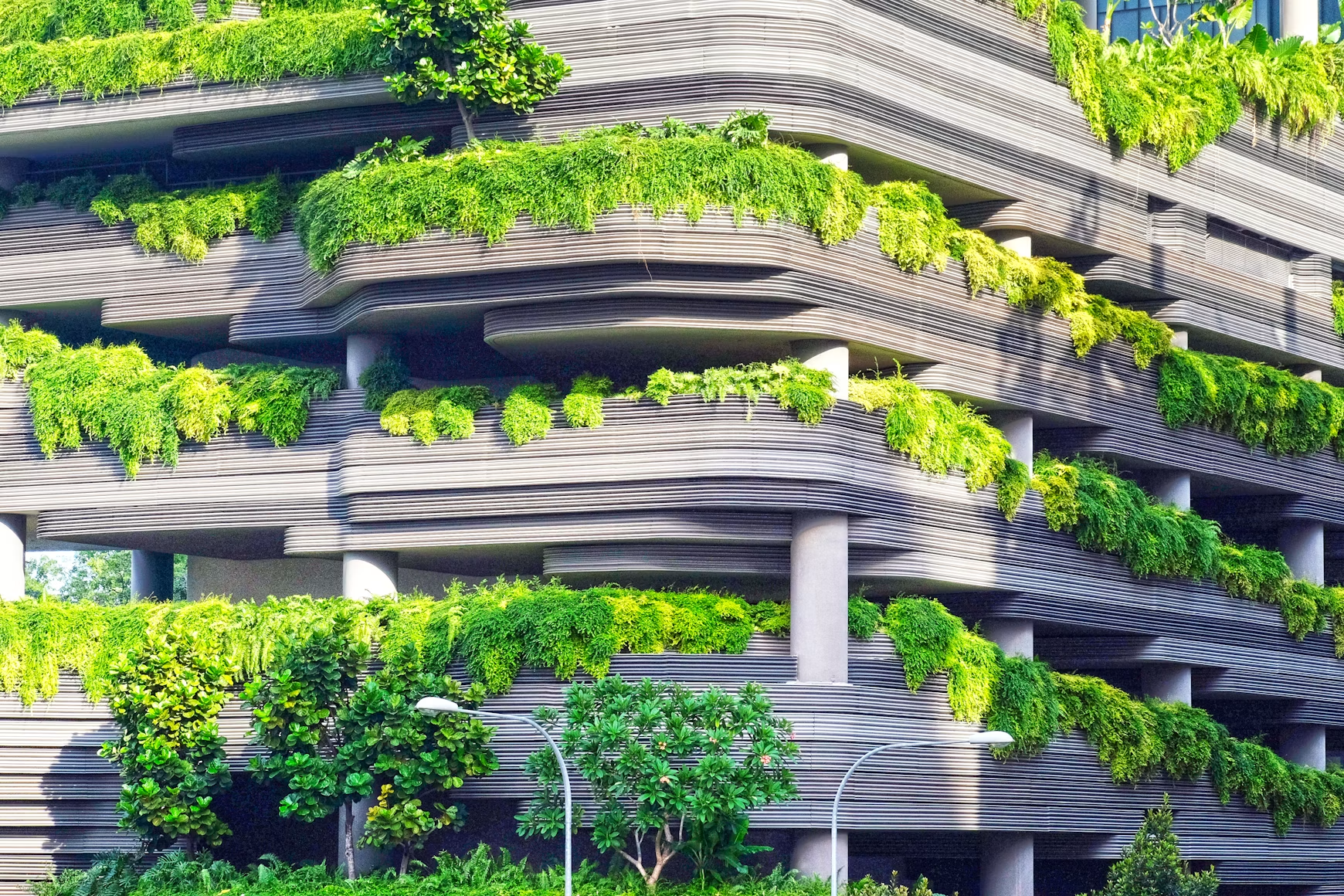
Image Credit: Unsplash
Innovations in Urban Infrastructure
The actual layout of our cities plays a fundamental role in shaping our environmental impact. Forward-thinking urban planners and engineers are redesigning city infrastructure to be greener, more efficient, and more enjoyable for residents. These innovations are turning concrete jungles into living, breathing ecosystems.
One of the most obvious changes is bringing green spaces right into the city. And we're talking more than just traditional parks here.
- Green Roofs: Covering rooftops with plants helps insulate buildings, cutting down on heating and cooling costs. It also soaks up rainwater, easing the strain on storm drains, and helps fight the "urban heat island" effect, which makes cities much hotter than the countryside around them.
- Permeable Pavements: Instead of regular asphalt that sends rainwater rushing into sewers, permeable surfaces let water seep through into the ground below. This refills groundwater, filters out pollutants, and lowers the risk of flooding.
- Vertical Gardens: In busy city centers where ground space is tight, walls can become vertical gardens, improving air quality and bringing nature into unexpected spots.
Transportation infrastructure is also getting a makeover. For decades, city planning revolved around cars. Today, the focus is shifting to create a more balanced system that works for everyone. This includes building protected bike lanes that make cycling a safe and practical way to get around. It also means designing "complete streets" that are safe for people walking, biking, and using public transit, not just cars. By making it easier and more pleasant to walk, bike, or hop on the bus, these infrastructure changes encourage healthier lifestyles and reduce our reliance on fossil fuels.
Sustainable living is truly a team sport. While our individual actions matter a ton, they become truly powerful when they're backed up by community projects, efficient public services, and clever urban design. By understanding and championing these bigger systems, we can help build a future where our cities and the natural world can both flourish.
2 thoughts on “Sustainable Living Beyond Your Home”
Comments are closed.