
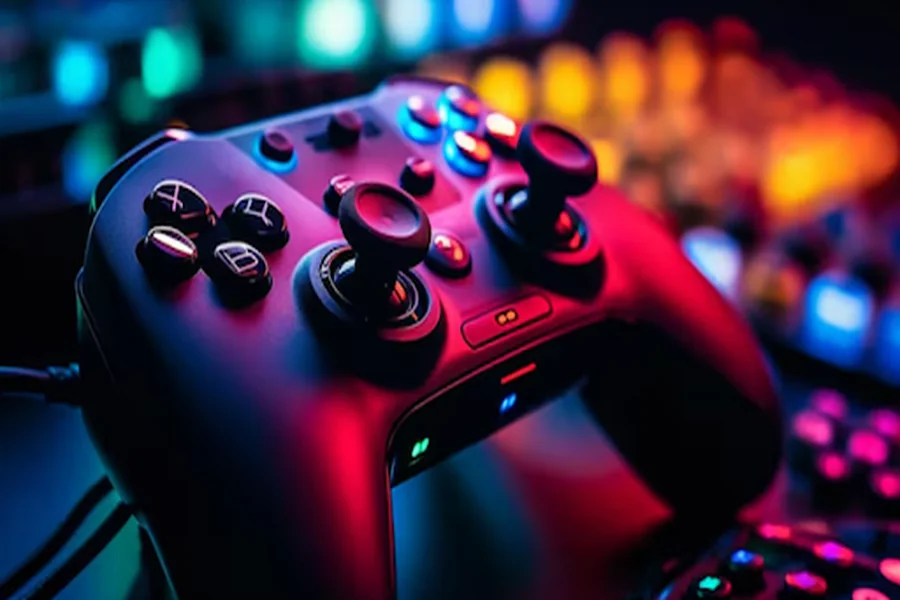
Gaming controllers have come a long way from their early days. What started as simple devices with a few buttons has become an important part of the gaming experience. Today, controllers are designed to be comfortable, responsive, and packed with features that help players enjoy games in new ways. Whether someone is playing for fun after work or competing in high-level tournaments, the controller plays a major role in how every action feels.
As games have become more detailed and realistic, controller design has evolved alongside them. Developers now create games that take advantage of advanced controller features such as motion controls, adaptive triggers, haptic feedback, and customizable settings. Instead of simply acting as an input device, modern controllers help players feel more connected to the game world. This steady progress shows how gaming hardware continues to improve to meet the expectations of players around the world.
From Simple Controls to Gaming Essentials
The earliest gaming controller were extremely basic. Arcade machines often featured a joystick and one or two buttons, giving players just enough control to enjoy simple games. Home consoles followed a similar path, offering straightforward controllers that matched the limited technology available at the time.
As video games became more advanced, developers wanted players to perform more actions without making the controls confusing. This led to the addition of directional pads, extra face buttons, shoulder buttons, and later, analog sticks. Each improvement allowed developers to create larger worlds, more detailed gameplay, and better player movement.
One of the biggest changes came with the arrival of three-dimensional games. Analog sticks gave players smoother movement and better camera control, making exploration feel much more natural. These improvements helped shape many of today’s popular game genres, including adventure games, racing titles, shooters, and sports games.
Why Comfort Became a Top Priority
Modern gaming sessions often last for several hours, making comfort an important part of controller design. Early controllers had sharp edges and flat shapes that could become uncomfortable after extended use. Manufacturers quickly realized that better ergonomics would improve the overall gaming experience.
Today’s controllers are carefully shaped to fit naturally in the hands. Rounded grips, textured surfaces, and balanced weight help reduce hand fatigue. Button placement is also carefully planned so that players can easily reach every control without constantly adjusting their grip.
These design improvements benefit everyone, from casual gamers enjoying short sessions to competitive players practicing for hours every day. Comfortable controllers make gaming more enjoyable while reducing unnecessary strain during long play sessions.
Features That Changed the Gaming Experience
Modern controllers offer much more than simple button presses. One of the most noticeable improvements has been the addition of vibration and haptic feedback. Instead of only seeing what happens on screen, players can actually feel different events through the controller. Driving across rough roads, firing powerful weapons, or feeling the impact of an explosion creates a stronger connection between the player and the game.
Adaptive triggers have taken this even further by changing the resistance of the trigger buttons during gameplay. Pulling back a bowstring or pressing the accelerator in a racing game can feel different depending on the situation. Small details like these help make virtual actions feel more realistic.
Motion controls also introduced new ways to play. Rather than relying only on buttons, players could swing, tilt, or rotate the controller to perform actions. This approach attracted many new players by making games feel more active and accessible.
Touchpads, built-in speakers, microphones, and improved sensors have continued expanding what controllers can do. These features give developers more creative options while allowing players to experience games in unique ways.
Wireless Technology Changed Everything
One of the biggest improvements in controller design has been the move from wired to wireless connections. Older gaming systems required players to stay close to the console because controller cables had limited length. Tangled wires also created clutter around gaming setups.
Wireless controllers gave players much greater freedom. Bluetooth and other wireless technologies provide stable connections with very little delay, allowing players to sit comfortably without sacrificing performance.
Rechargeable batteries have also become standard for many controllers. Instead of constantly replacing disposable batteries, players can recharge their controllers using simple USB cables or charging docks. This makes gaming more convenient while reducing waste over time.
Personalization Gives Players More Control
Every gamer has different preferences. Some prefer faster trigger responses, while others want different thumbstick heights or button layouts. Modern controllers now offer a wide range of customization options that allow players to create a setup that feels right for them.
Many controllers allow buttons to be remapped through built-in software. Players can adjust stick sensitivity, trigger response, vibration levels, and other settings without needing extra equipment. Premium controllers even include interchangeable thumbsticks, paddles, and directional pads that can be swapped depending on the type of game being played.
These options help players feel more comfortable while improving performance across different gaming genres.
Making Gaming More Accessible
Accessibility has become one of the most important areas of controller development in recent years. Gaming is for everyone, and manufacturers have invested significant effort into creating products that allow more people to enjoy their favorite games.
One of the best examples is Microsoft through its Xbox Adaptive Controller. Instead of relying on a standard controller layout, it supports a variety of external switches, buttons, joysticks, and other assistive devices. This flexibility allows players with different physical abilities to build a setup that works for their individual needs.
Many consoles also include accessibility settings that work alongside these controllers. Features such as customizable button mapping, hold-to-toggle options, adjustable sensitivity, and audio assistance help create a more welcoming experience for all players.
These improvements demonstrate that accessibility is no longer an afterthought but an important part of gaming hardware design.
Controllers in Professional Gaming
Competitive gaming has grown into a global industry, with professional tournaments attracting millions of viewers. At this level, every small advantage matters, and controller performance becomes incredibly important.
Professional players often use controllers with faster response times, improved triggers, durable buttons, and customizable rear paddles. These features allow quicker reactions and more efficient control during fast-paced matches.
Consistency is equally important. Players spend countless hours practicing with the same controller settings so that every movement becomes automatic. A reliable controller helps build confidence and allows competitors to focus entirely on strategy and decision-making instead of worrying about their equipment.
Even outside professional tournaments, serious players appreciate the accuracy and responsiveness offered by high-quality controllers.
How Controllers Continue to Support New Gaming Technology
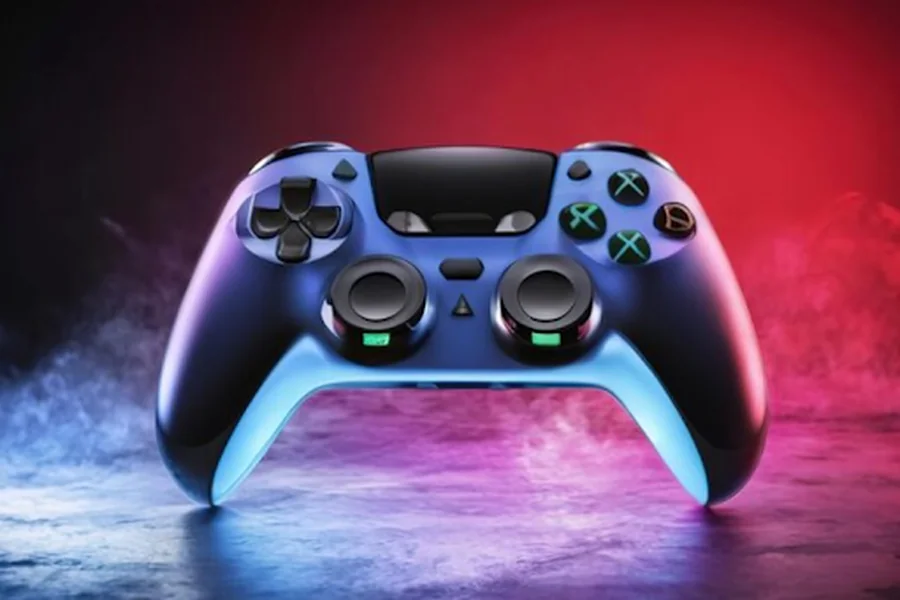
Gaming continues to evolve, and controllers are evolving with it. Cloud gaming allows players to enjoy games across multiple devices, making controller compatibility more important than ever. Many modern controllers now work across consoles, computers, smartphones, and tablets with minimal setup.
Virtual reality and augmented reality have also introduced entirely new ways to interact with digital worlds. Instead of relying solely on traditional buttons, specialized controllers can track hand movements, gestures, and physical position. This creates a stronger feeling of presence, making players feel like they are actually inside the game.
As these technologies continue improving, controllers will likely become even more capable while remaining comfortable and easy to use.
Looking Ahead at the Next Generation of Controllers
The future of gaming controllers is filled with exciting possibilities. Artificial intelligence may allow controllers to automatically adjust settings based on a player’s habits and preferences. Sensors could recognize grip pressure, finger placement, or even stress levels, making gameplay feel more responsive without requiring manual adjustments.
Biometric technology may also become more common. Future controllers could monitor heart rate or other physical responses to create more personalized gaming experiences. Horror games, for example, could become more intense when they detect increased excitement, while relaxing games could adjust their pace based on the player’s mood.
Improved haptic systems will likely continue becoming more detailed, allowing players to feel different textures, weather conditions, and environmental effects with greater realism. Battery life, wireless performance, and durability are also expected to improve as technology advances.
Although new features will continue to appear, the main purpose of a gaming controller will remain the same: helping players enjoy their games in the most natural and comfortable way possible.
Conclusion
Gaming controllers have evolved from simple input devices into highly advanced tools that improve every part of the gaming experience. Better ergonomics, wireless technology, customizable controls, motion sensors, adaptive feedback, and accessibility features have all contributed to making gaming more enjoyable for players of every skill level.
As the gaming industry continues to grow, controllers will remain at the center of how players interact with virtual worlds. Future innovations will likely make these devices even smarter, more responsive, and more inclusive while maintaining the comfort and reliability that players expect. No matter how much gaming technology changes, the controller will continue to be the connection between the player and every adventure waiting on the screen.