
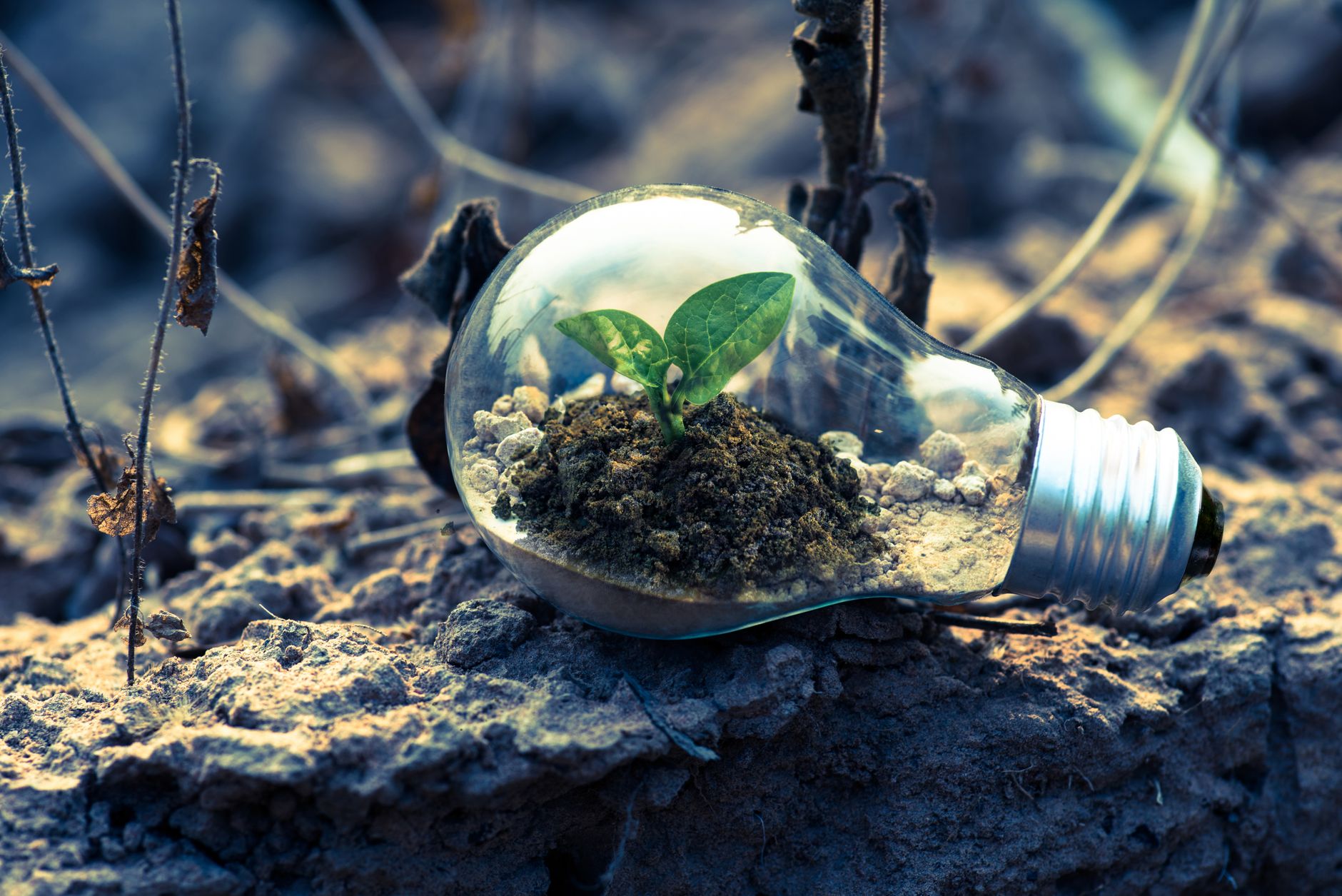
Many property owners want to reduce their carbon footprint and live more sustainably. However, a major misconception persists that going green always requires sacrificing financial returns or taking on massive debt for negligible savings.
While some eco-friendly trends offer a slow return on investment, several high-impact environmental upgrades pay for themselves remarkably fast.
Choosing the right green improvements allows you to lower monthly utility bills, reduce maintenance overhead, increase long-term property equity, and enjoy a healthier living environment. Here are the top environmental upgrades that actually deliver strong financial paybacks.
Table of Contents
- Which Environmental Upgrades Offer the Highest Financial Return?
- 1. Upgrading to High-Efficiency Heat Pump Systems
- 2. Optimizing Insulation and Sealing Air Leaks
- 3. Transforming Outdoor Spaces with Smart Water Efficiency
- 4. Installing Solar Panel Arrays and Battery Storage
- Environmental Upgrades ROI Comparison
- Common Green Upgrade Pitfalls
- Frequently Asked Questions
- Conclusion
Which Environmental Upgrades Offer the Highest Financial Return?
Environmental upgrades offering the highest return on investment include heat pump HVAC systems, smart irrigation controllers, high-efficiency attic insulation, solar panels with net metering, and water-wise landscaping.
These improvements generate measurable value by reducing monthly energy and water bills while increasing overall property equity.
1. Upgrading to High-Efficiency Heat Pump Systems
Heating and cooling account for over half of an average property’s energy consumption. Traditional furnaces and outdated central AC units burn through energy inefficiently, driving up utility bills during seasonal temperature extremes.
Modern heat pumps represent a major leap forward in energy efficiency:
- Dual-Purpose Operation: Heat pumps transfer heat rather than generating it, acting as both a high-efficiency air conditioner in summer and a heater in winter.
- Significant Bill Savings: Switching from electric resistance or aging fossil-fuel systems can cut heating electricity use by up to 50%.
- Rebates and Tax Credits: Government incentives and utility rebates frequently offset a large portion of initial installation costs.
2. Optimizing Insulation and Sealing Air Leaks
Before investing in expensive renewable energy systems, you must secure your property’s thermal envelope. Conditioning air only to let it escape through uninsulated attics, drafty windows, and unsealed ductwork is like running a heater with the front door open.
Executing a thorough home envelope overhaul delivers immediate returns:
- Attic Air Sealing and Insulation: Adding blown-in cellulose or spray foam insulation keeps indoor temperatures stable, reducing HVAC strain.
- Duct Sealing: Sealing leaky ductwork restores up to 20% of lost heating and cooling efficiency.
- High ROI: Attic insulation consistently ranks as one of the top home improvements for recouping cost upon resale.
Securing a professional home audit helps pinpoint hidden drafts before you spend money on larger equipment upgrades, maximizing overall home energy audit benefits.
3. Transforming Outdoor Spaces with Smart Water Efficiency
Outdoor water usage often accounts for 30% to 50% of a property’s total water bill, with a significant portion wasted through inefficient sprinklers, evaporation, and runoff.
Upgrading outdoor landscapes yields substantial monthly savings without sacrificing aesthetic charm:
- Smart Irrigation Controllers: Weather-based controllers adjust watering schedules automatically based on real-time rainfall, temperature, and soil moisture levels.
- Drip Irrigation Systems: Delivering water directly to plant roots eliminates wind drift and surface evaporation losses.
- Water-Wise Turf Alternatives: Replacing high-maintenance grass lawns with native perennials, drought-tolerant shrubs, and gravel hardscapes dramatically slashes outdoor water demands.
In arid or drought-prone regions, converting thirsty turf into native, climate-adapted landscaping is one of the smartest investments a property owner can make. Leveraging sustainable xeriscaping ROI keeps utility costs low while eliminating weekend mowing and fertilizer expenses. If you want to design a water-wise yard that enhances property value, partnering with an expert landscaper in Salt Lake City ensures your outdoor upgrades feature efficient drip systems, native plants, and proper soil grading built for long-term sustainability.
4. Installing Solar Panel Arrays and Battery Storage
Regular maintenance, including professional solar panel cleaning Fontana, can also help keep solar systems operating efficiently and maintain their long-term performance.
Key economic advantages of modern solar systems include:
- Predictable Energy Costs: Solar power locks in your energy rate, protecting your budget against rising utility prices.
- Net Metering Credits: Selling excess solar energy generated back to the power grid offsets electricity used during nighttime hours.
- Property Value Premium: Homes equipped with owned solar arrays consistently sell faster and at a premium compared to non-solar properties.
Combining solar arrays with battery storage guarantees backup power during grid outages while optimizing smart irrigation water efficiency and home energy systems around the clock.
Environmental Upgrades ROI Comparison
Evaluating financial paybacks helps you prioritize upgrades that fit your immediate budget:
| Environmental Upgrade | Average Cost Range | Estimated Annual Savings | Payback Period |
| Smart Irrigation Controller | $150 – $300 | $100 – $250 / year | 1 to 2 Years |
| Attic Insulation & Sealing | $1,500 – $3,500 | $200 – $500 / year | 3 to 5 Years |
| Heat Pump System | $6,000 – $12,000 | $500 – $1,200 / year | 5 to 8 Years |
| Rooftop Solar Array | $15,000 – $25,000 | $1,200 – $2,500 / year | 6 to 9 Years |
Common Green Upgrade Pitfalls
Avoid these frequent mistakes to ensure your sustainability projects pay off as intended:
- Buying Oversized Systems: Installing a large solar array or oversized HVAC system before sealing air leaks leads to overspending on equipment you don’t actually need.
- Leasing Solar Panels: Solar leases often complicate property sales. Owning your panels outright maximizes long-term equity and financial return.
- Ignoring Local Rebates: Failing to research federal tax credits, municipal grants, and local utility incentives leaves thousands of dollars in savings on the table.
Frequently Asked Questions
What is the fastest environmental upgrade to recoup its cost?
Smart thermostats and smart irrigation controllers offer the fastest payback period, often earning back their initial purchase price within 12 to 18 months through automatic energy and water reductions.
Do green home upgrades actually increase resale value?
Yes. Studies consistently show that buyers are willing to pay a premium for properties with lower documented operating costs, modern HVAC systems, solar energy, and low-maintenance native landscaping.
Conclusion
Environmental responsibility and financial prudence do not have to be mutually exclusive. By prioritizing high-payback upgrades—such as heat pump systems, proper attic insulation, smart irrigation, and rooftop solar—you build a property that is cheaper to run, easier to maintain, and more comfortable to live in. Sustainable choices, when backed by smart planning, offer one of the most reliable investments you can make for your property and your wallet.