
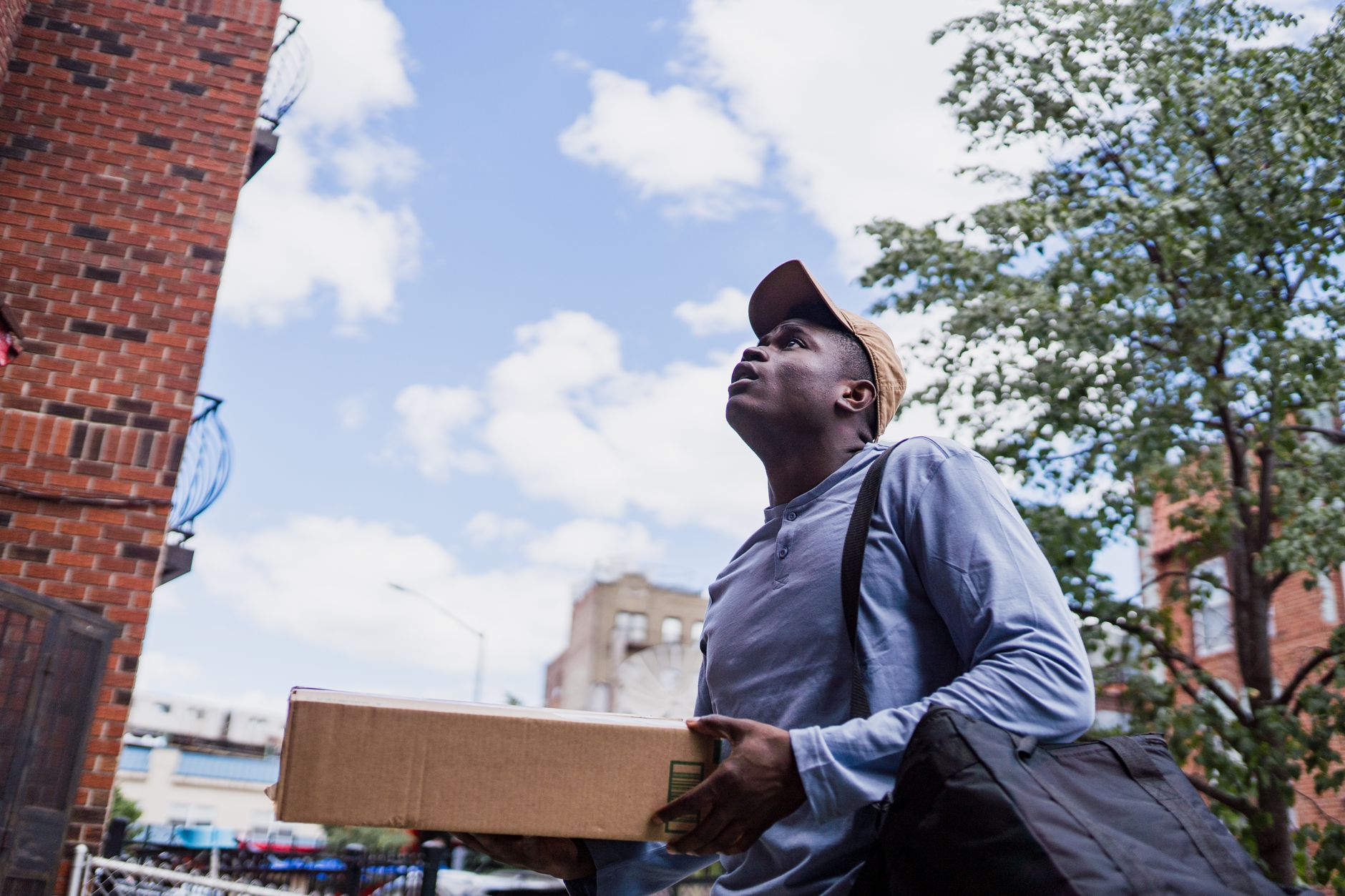
Delivery operations sit at the center of every retail and logistics business. When they run well, customers get their orders on time. When they don't, costs climb and trust erodes fast.
The last mile is where most of that damage happens. It's the shortest leg of the delivery journey, but it eats up more of the budget than any other stage. According to eMarketer, last-mile delivery now accounts for 53% of total shipping costs. That's not a small line item. It's the single biggest expense in getting a package from a warehouse to a front door.
Fixing this isn't about working harder. It's about building smarter systems. Companies that invest in software for last mile delivery are seeing measurable gains in speed, cost control, and customer satisfaction. Here's how that shift actually works under the hood.
Table of Contents
The Real Cost of Inefficient Delivery Operations
Inefficiency in delivery operations shows up in a few predictable ways. Drivers take longer routes than necessary. Packages get misrouted. Dispatchers manually juggle schedules using spreadsheets or outdated software.
Each of these problems compounds. A driver running an inefficient route burns more fuel and spends more hours on the road. That driver completes fewer stops per shift. Fewer stops per shift means the company needs more vehicles and more labor to hit the same delivery volume.
Labor already makes up roughly half of last-mile expenses. Fuel and vehicle costs add another chunk on top. When operations are inefficient, both of these cost centers grow without adding any value for the customer.
Where Delivery Operations Break Down
Most delivery breakdowns trace back to a handful of root causes. Understanding them is the first step toward fixing them.
- Static routing. Routes planned once and reused daily ignore traffic patterns, road closures, and delivery windows.
- Manual dispatch. Assigning drivers by hand takes time and rarely accounts for real-time capacity or location.
- Poor visibility. Without live tracking, dispatchers can't react to delays until a customer complains.
- Disconnected systems. Order management, inventory, and delivery tracking often live in separate tools that don't talk to each other.
- No feedback loop. Operations teams rarely have the data to know which routes, drivers, or time windows are underperforming.
Each of these issues is fixable on its own. But they usually need to be solved together, because they feed into each other.
Route Optimization and Real-Time Data
Route optimization is the clearest place to start. Static routes can't account for changing conditions. Dynamic routing engines pull in live traffic data, delivery windows, and vehicle capacity to build routes that adjust throughout the day.
This isn't just about shaving a few minutes off a drive. It changes how many stops a driver can complete in a shift. More stops per shift means lower cost per delivery. That math scales directly with volume, so the savings get bigger as the business grows.
Real-time data also changes how dispatchers work. Instead of assigning routes at the start of the day and hoping for the best, they can monitor progress and reroute drivers when something changes. A blocked road, a canceled order, or a same-day request no longer requires starting over. The system adjusts and keeps moving.
Automating Dispatch and Driver Assignment
Manual dispatch doesn't scale. As order volume grows, the time it takes to manually assign drivers grows with it. Automated dispatch systems solve this by matching orders to drivers based on location, capacity, and delivery priority in seconds.
This has a few direct effects on operations:
- Dispatchers spend less time on repetitive assignment tasks and more time handling exceptions.
- Drivers get more balanced workloads instead of uneven route lengths.
- Delivery windows are met more consistently because assignments account for real-time location, not a fixed schedule.
Automation doesn't remove people from the process. It removes the repetitive parts of the process so people can focus on the decisions that actually need judgment.
Measuring the Impact
None of this matters without measurement. Operations teams need clear metrics to know whether changes are working. The ones that matter most are cost per delivery, on-time delivery rate, and stops completed per driver per shift.
Tracking these numbers over time shows exactly where improvements are coming from. It also flags problems early, before they turn into missed deliveries or customer complaints.
Companies that treat these metrics as a constant feedback loop, not a quarterly report, tend to catch inefficiencies faster. That speed matters, especially in a cost environment where last-mile expenses keep climbing year over year.
Final Thoughts
Smarter delivery operations come down to visibility, automation, and measurement. Fix the routing. Automate the dispatch. Track the right numbers. Do those three things consistently, and the cost curve starts to bend the other way.
The businesses that get this right aren't the ones with the most resources. They're the ones with the clearest data and the systems to act on it in real time.