
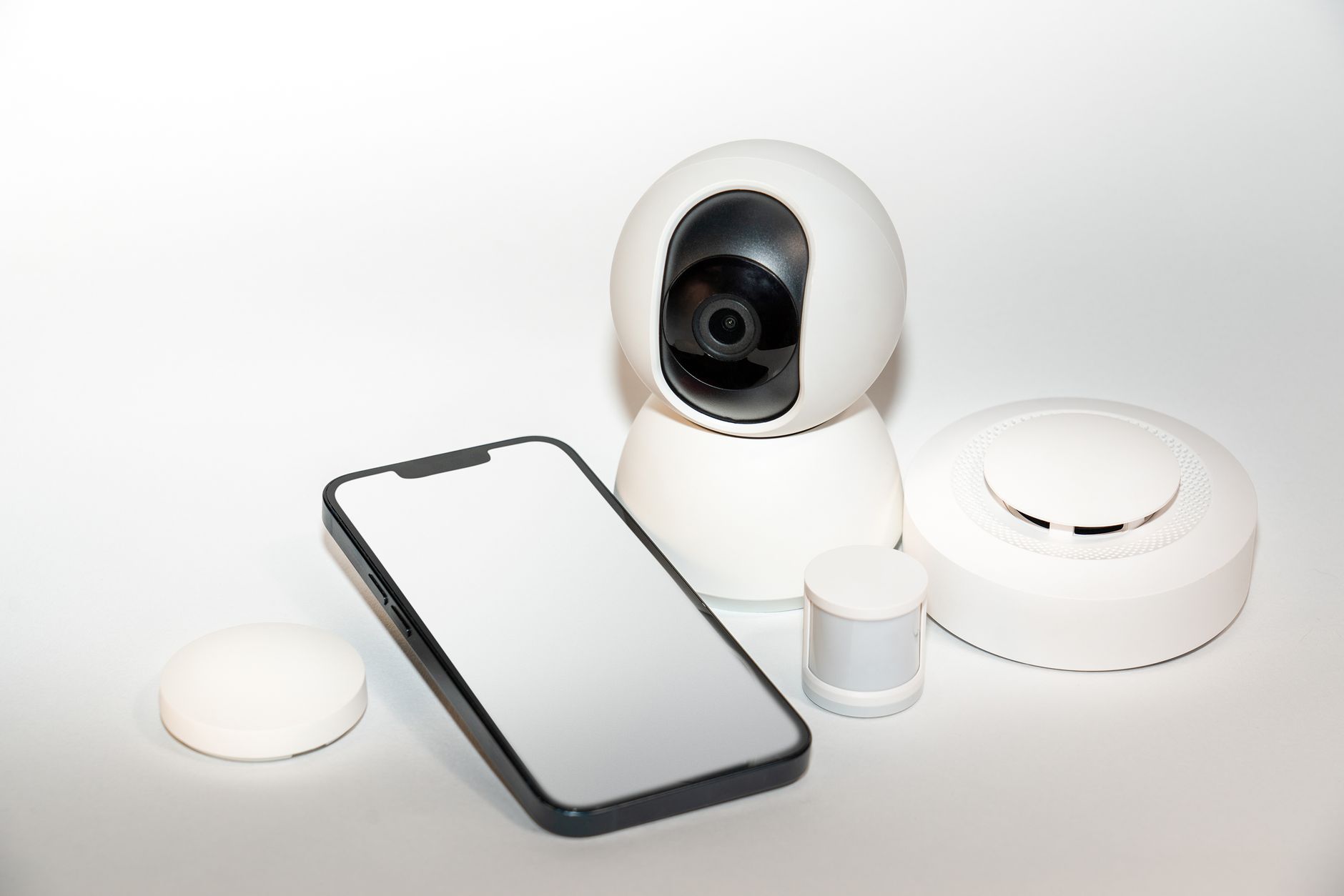
School buildings are harder to secure than most people realize. Long hallways, blind corners, bathrooms with no line of sight, and hundreds of students moving at once. Smart monitoring technology exists to close those gaps. It is not one product. It is a layered system of sensors, cameras, and software working together.
This article breaks down what smart monitoring actually looks like in a school building today, and what administrators should know before buying into it.
Table of Contents
Why schools moved past basic security cameras
Cameras alone were never built to catch everything. A hallway camera can show that a student entered a bathroom. It cannot show what happened inside. That gap is exactly where problems tend to happen: vaping, fights, and bullying.
This is why districts have added sensor-based tools alongside cameras. Air quality sensors, sound-anomaly detectors, and access control systems now sit next to traditional CCTV. Together they cover spaces cameras legally and practically cannot.
One of the clearest examples is bathroom monitoring. Schools cannot install cameras in bathrooms for obvious privacy reasons. Instead, many now install accurate vape detectors for schools that sense aerosol particles and chemical changes in the air. When a detector triggers, it sends an alert to a staff phone or a central dashboard. No footage. No image. Just a location and a timestamp.
What a modern monitoring stack includes
A functioning system usually has four layers working at once.
- Air quality sensors that detect vape aerosol, THC particles, and sometimes elevated CO2 from crowding
- Access control at entry points, tied to ID badges or keycards
- Camera coverage in hallways, entrances, and common areas
- A central software platform that logs and routes every alert
Each layer solves a different blind spot. None of them work well in isolation. A camera without access control cannot stop an unauthorized person from walking in behind a student. Access control without cameras cannot confirm who actually used a badge. The value comes from combining them.
The real numbers behind the push
Youth vaping is the reason most of this technology exists in the first place. According to CDC data reported by Forbes, e-cigarette use among U.S. middle and high school students dropped to 1.63 million in 2024, down from 2.13 million the year before, a decline of roughly 23 percent. The drop followed regulatory crackdowns on flavored products alongside the rollout of detection technology in a growing number of districts. Source: Forbes
That number matters for two reasons. It shows the scale of the problem administrators are still dealing with. And it shows that detection technology, paired with enforcement policy, is measurably connected to lower incident rates.
Data privacy is not optional
Any system that logs sensor data, badge swipes, or camera footage creates records. Those records fall under student privacy law in most states, and often under FERPA at the federal level.
Before installing anything, districts need clear answers to a few questions. Who can access the alert data. How long is it stored. Is footage or sensor data ever shared with law enforcement, and under what conditions. A vendor should be able to answer all three without hesitation.
Vape detectors are a good example of privacy done right. They report presence and location, not identity. Staff still have to physically respond and identify who was involved. The sensor itself never captures a face or a name.
Integration is where most projects fail
Buying sensors is the easy part. Getting them to actually talk to existing systems is where projects stall. A vape detector that cannot integrate with the school's existing notification platform just becomes another app on a staff member's phone that nobody checks.
Before signing a contract, ask the vendor these questions:
- Does the platform integrate with our existing notification or SIS software
- What is the average alert-to-response time in real deployments
- How is the system maintained and who handles false alarms
- What happens to stored data if we switch vendors later
Districts that skip this step end up with a pile of disconnected tools instead of one working system.
Where this is heading
Smart monitoring in schools is not about replacing staff or turning hallways into surveillance zones. It is about giving staff information they cannot get on their own, fast enough to act on it. The schools seeing real results are the ones treating this as an integrated system, not a shopping list of gadgets.
1 thought on “Smart Monitoring Technology for Modern Schools”
Comments are closed.