
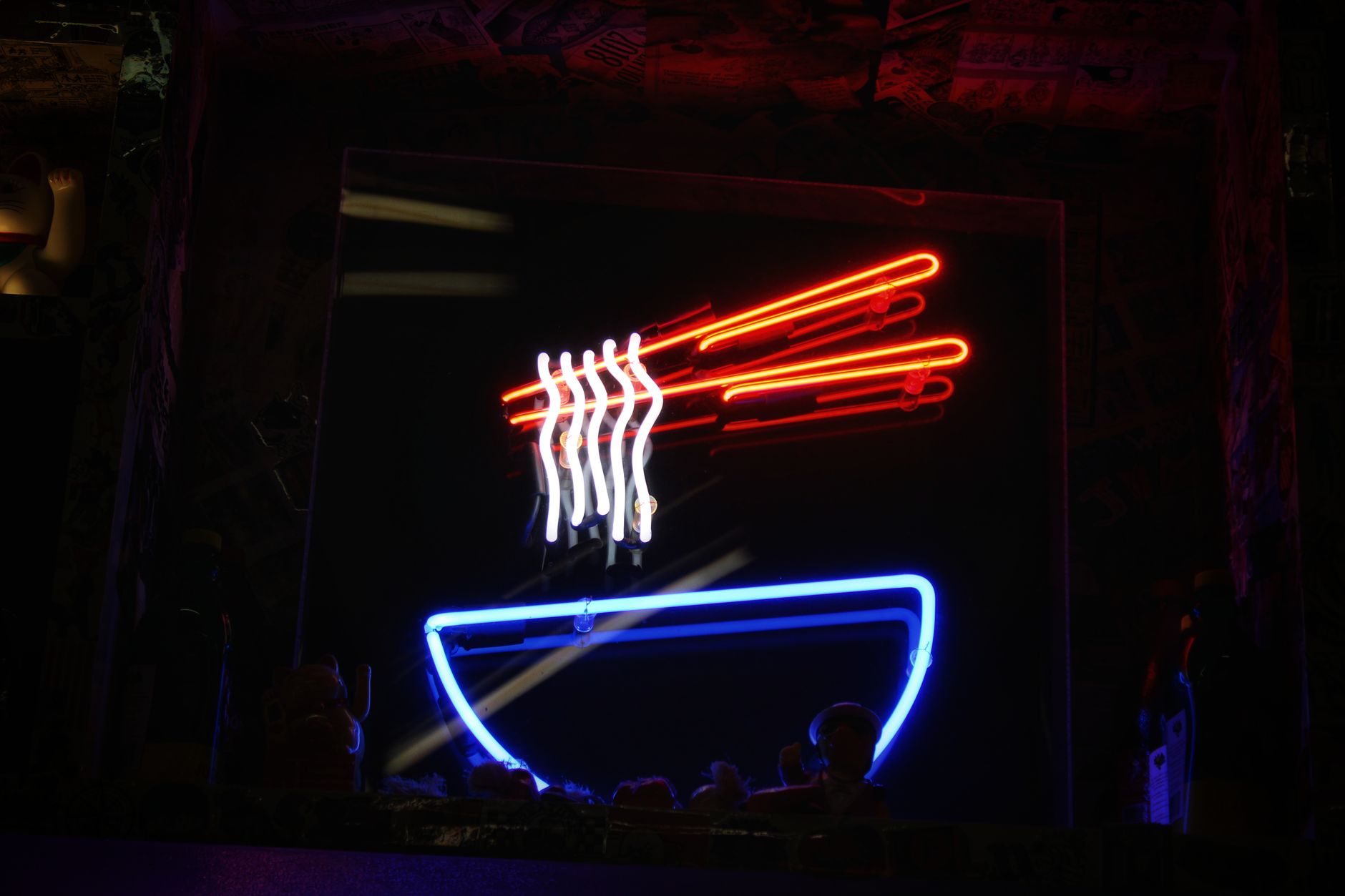
Small businesses often compete for attention in visually crowded commercial areas. Storefronts sit beside other signs, window displays, parked vehicles, and street advertising, giving potential customers only a few seconds to notice and identify a business.
Neon-style signage can solve part of this visibility problem by combining illumination with distinctive shapes, colors, and typography. Used strategically, it can strengthen recognition without requiring a complete storefront redesign.
Table of Contents
Improve Storefront Visibility
A sign must first be visible before its design can influence customers. Illuminated signage maintains stronger visual contrast when ambient light decreases, making it useful for restaurants, salons, cafés, studios, retailers, and entertainment businesses that operate into the evening.
Well-positioned store front neon signs can communicate a business name, logo, or short brand message while creating a recognizable visual marker from the sidewalk. Placement should account for viewing distance, window reflections, nearby lighting, and obstructions such as trees or parked vehicles.
Brightness also requires control. A sign that is excessively bright can become difficult to read and may overwhelm nearby window displays.
Reinforce Brand Recognition
Effective signage should look like part of the brand rather than a decorative addition.
Typography, color, proportions, and graphic elements should align with existing visual standards. A minimalist coffee shop may benefit from simple lettering, while a music venue might use a more expressive graphic treatment.
Consistency matters because repeated exposure helps customers associate specific visual elements with the business.
Keep the Design Easy to Process
A storefront sign has limited time to communicate.
Prioritize:
- Short wording
- Strong color contrast
- Recognizable letterforms
- A clear visual hierarchy
Complex illustrations and long phrases generally become harder to understand as viewing distance increases.
Create a Memorable Interior Feature
Neon signs can continue the storefront identity inside the business. A logo behind a reception desk, branded phrase near a seating area, or graphic installation on a feature wall can establish a focal point without occupying usable floor space.
Interior placement should complement existing lighting. Reflections on mirrors, glass, polished tile, and glossy surfaces can multiply bright points and make a room visually uncomfortable.
A dimmer or separate lighting circuit can provide greater control over the sign during different operating hours.
Encourage Organic Customer Exposure
Visually distinctive interiors often appear in customer photographs. A well-designed sign placed behind seating, products, or another natural photo location can therefore extend brand visibility beyond the physical premises.
The important point is to design the area for customers first. A sign that fits naturally into an attractive interior is more effective than an obvious photo backdrop that interferes with circulation.
Plan the Installation Carefully
Before mounting a sign, evaluate:
- Available electrical connections
- Wall construction and mounting points
- Cable routing
- Sightlines from key customer areas
Clean installation helps the sign appear intentional rather than added as an afterthought.
Use Signage to Define Business Zones
Larger premises can use illuminated signs for more than identification. Smaller signs can distinguish pickup counters, reception points, service areas, or specific departments.
This approach combines wayfinding with branding. Customers receive directional information while the business maintains a consistent visual language throughout the space.
Directional signs should remain secondary to primary brand signage so customers can distinguish navigation information from decorative elements.
Consider Energy and Maintenance Requirements
Modern illuminated signs may use LED-based lighting designed to create a neon-like appearance. Businesses should compare power consumption, rated operating life, installation requirements, warranties, and replacement options before purchasing.
Inspect wiring and mounting hardware periodically, particularly for signs exposed to vibration, moisture, or temperature changes.
Exterior installations may require weather-resistant components and additional electrical protection. Local building, electrical, landlord, and sign regulations should also be checked before installation.
Measure Whether the Sign Works
Signage should have a defined business objective. That might be improving nighttime visibility, helping customers locate an entrance, strengthening brand recognition, or creating a more distinctive interior.
Observe whether customers notice the storefront more easily after installation. Businesses can also ask new customers how they found the location or compare evening foot traffic over time.
If the sign is difficult to see from common approaches, adjusting its position may produce better results than changing the design itself.
Conclusion
Neon signs help small businesses stand out when they combine strong design with practical placement. They can improve storefront visibility, reinforce brand identity, support wayfinding, and create memorable interior features.
The strongest results come from treating illuminated signage as part of the overall customer experience. Clear typography, appropriate brightness, careful installation, and consistent branding can turn a simple sign into a recognizable business asset.