
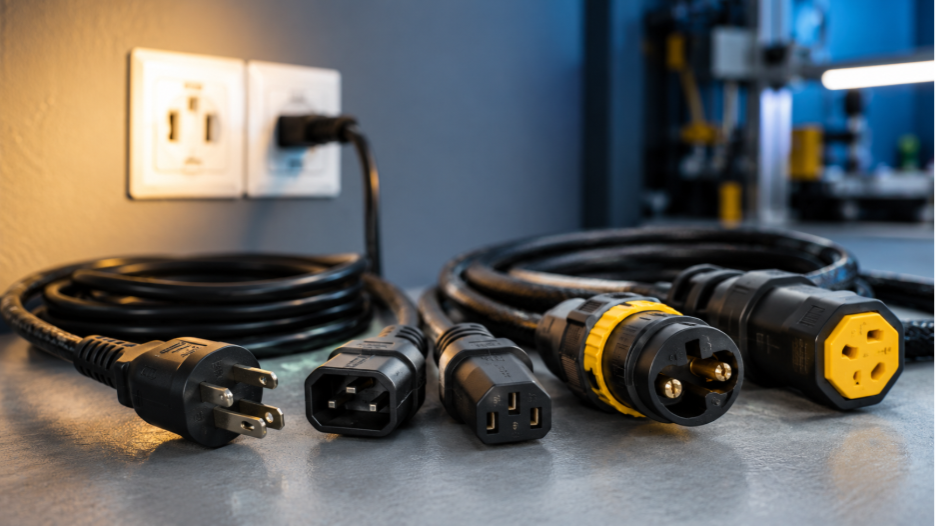
A power cord might be viewed as a minor item, but it is an important component that contributes to ensuring your equipment is safe and works effectively. Selecting a cord by length or cost alone may result in overheating, an unstable power supply, or even damage to the equipment connected. Additionally, incompatible cord usage may reduce the lifespan of useful devices and pose unnecessary safety hazards.
Luckily, it is not difficult to find the right option when you are informed of what to seek. Knowing the main factors influencing compatibility, durability, and electrical performance, you will be able to make a smarter purchase that will save your devices as well as your workplace.
This article explains why choosing the right power cord is essential for safety and performance.
Table of Contents
1. Match Power Cord To Your Equipment Requirements
Each piece of electrical equipment possesses certain power needs; thus, compatibility becomes the initial consideration. To achieve a safe connection, reliable power delivery, and performance, it is worth investing in the correct power cord. Instead of the assumption that all cords operate the same, verify the voltage, amperage, connector type, and plug setting of your equipment before buying.
In addition, different applications require different connector standards. IEC connectors are frequently used by computers, but industrial equipment might demand twist-lock or NEMA customizations. Choosing the correct connector helps ensure a secure connection and reduces the likelihood of loose connections or premature wear.
Cable gauge is equally important. Devices that draw higher current require a lower-gauge (thicker) cable to safely carry the electrical load without excessive heat buildup. Selecting a gauge that fits the planned use will assist in avoiding unnecessary heat accumulation and still ensure an efficient transfer of power.
Finally, always consider where the cord will be used. A home office system would not have the same needs as a factory floor or construction site. Adapting the cord to its surroundings enhances safety and durability.
2. Prioritize Safety Over Initial Cost
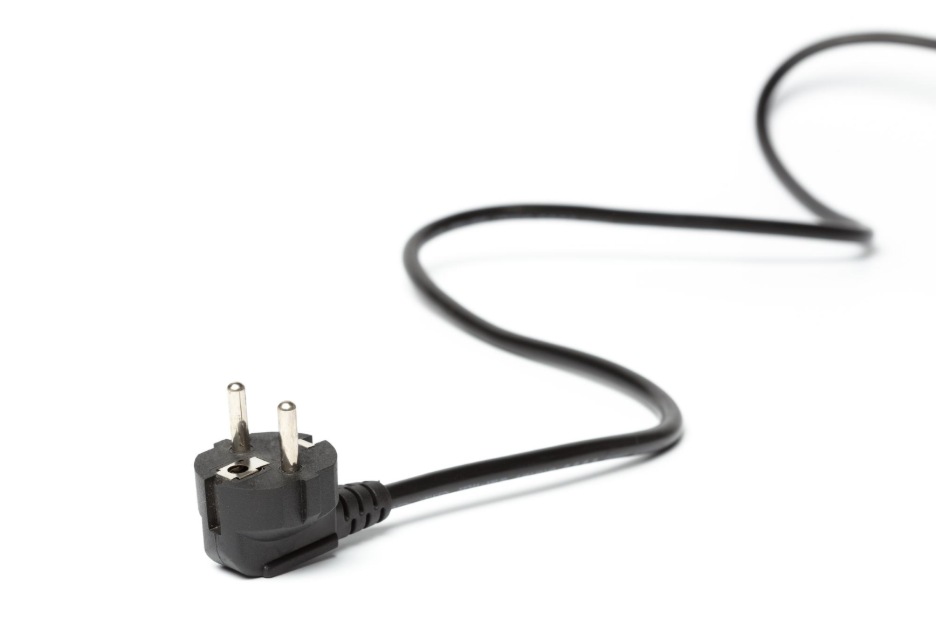
It might appear logical to save money on a poor-quality power cord, yet in most cases, it results in more costly consequences. Poor-quality materials, insulation, and improperly produced connectors raise the risk of electrical failures that may cause damage to equipment or lead to fire.
Rather, seek out cords constructed with strong insulation and shaped connectors that can withstand frequent applications. Good construction ensures that internal conductors are not bent, twisted, or hit accidentally to ensure consistent performance over time.
In addition, the use of a cord with the right electrical rating reduces the chances of overheating. When a large-power piece of equipment is used with a smaller cord, it will end up carrying a higher current than the equipment was intended, potentially leading to overheating and early breakdown.
Proper fit is also important with regard to safety. Unfitting plugs are capable of causing electrical arcing, whereas inappropriately matched connectors can disrupt power transmission. Choosing a cord specifically designed for your equipment reduces these risks and provides greater peace of mind.
3. Choose Cord Built For Environment
All workspaces do not put the same strain on a power cord. Environmental conditions greatly influence the duration of a cord and its safety of performance.
As an example, office settings normally need flexible cords that are able to endure daily movements behind desks and workstations. However, in industrial environments, cords are usually exposed to heavier machinery, higher temperatures, water, and frequent usage. Under such circumstances, heavy-duty insulation and tough construction are needed.
Another aspect that should be given attention is length. Although longer cords are more flexible, their usage must be limited to when required. Unnecessarily long cords may cause a trip hazard, be knotted together, and may be difficult to manage. Selecting the correct length ensures that workspaces are well-organized and minimizes unwarranted stress on the cable.
Similarly, the use of extension cords should never be adopted as an alternative to adequate electrical installations. When feasible, it is recommended to use a cord that is engineered to suit the device and the purpose. This method helps ensure safer functioning and enhances efficiency in general.
By choosing a cord that fits the working conditions, you minimize the wear and tear, enhance the durability of the cord, and reduce the chances of unforeseen electrical problems.
4. Invest In Long-Term Performance And Reliability
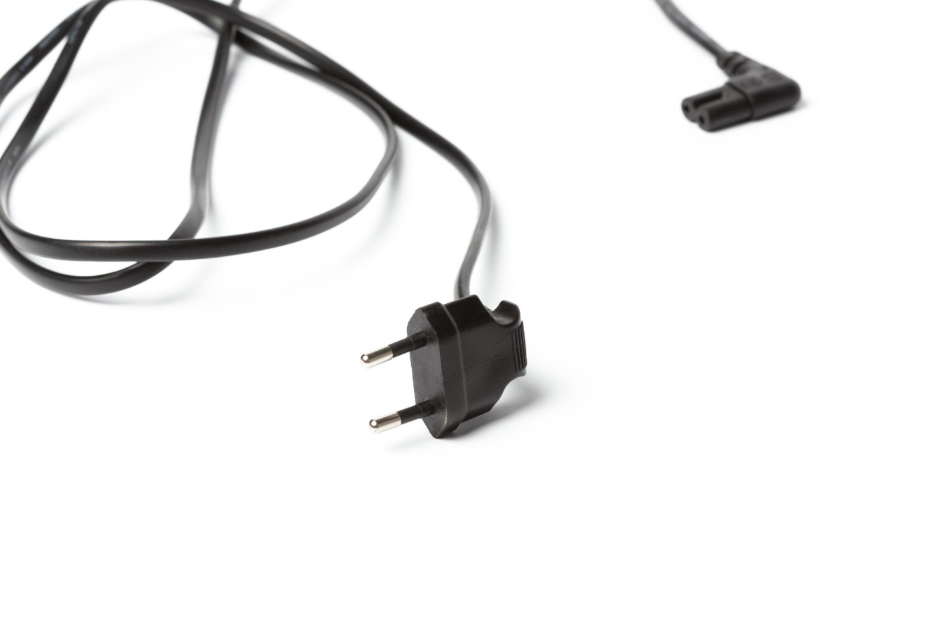
A quality power cord does more than deliver electricity. It contributes to the consistent performance of the equipment connected to it. Stable power transmission helps electronic devices operate as intended while reducing interruptions caused by poor electrical connections.
Reliable cords also require fewer replacements. Durable materials, strong connectors, and proper strain relief allow the cable to withstand years of regular use without frequent failures. As a result, maintenance costs decrease, and equipment downtime becomes less common.
Additionally, dependable power delivery supports productivity in both residential and commercial settings. Whether powering office computers, industrial machinery, networking equipment, or specialized electronics, a properly selected cord keeps operations running smoothly.
As technology continues to evolve, investing in well-built electrical accessories remains a practical decision. Rather than treating a power cord as an afterthought, consider it an important component of your electrical system. Choosing the right product today helps protect your equipment, improve operational efficiency, and support reliable performance for years to come.
Conclusion
Choosing the right power cord involves much more than finding a compatible plug. It requires evaluating electrical ratings, connector types, cable gauge, construction quality, and the environment where the cord will be used. Each of these factors contributes directly to both safety and equipment performance.
By prioritizing compatibility, investing in quality construction, selecting cords designed for the intended application, and focusing on long-term reliability, you reduce potential risks while maximizing the lifespan of your devices. A well-chosen power cord delivers dependable performance, supports safer electrical operation, and provides lasting value every time you power your equipment.